

Saving Your Smile: Exploring Root Canal Treatment Indore
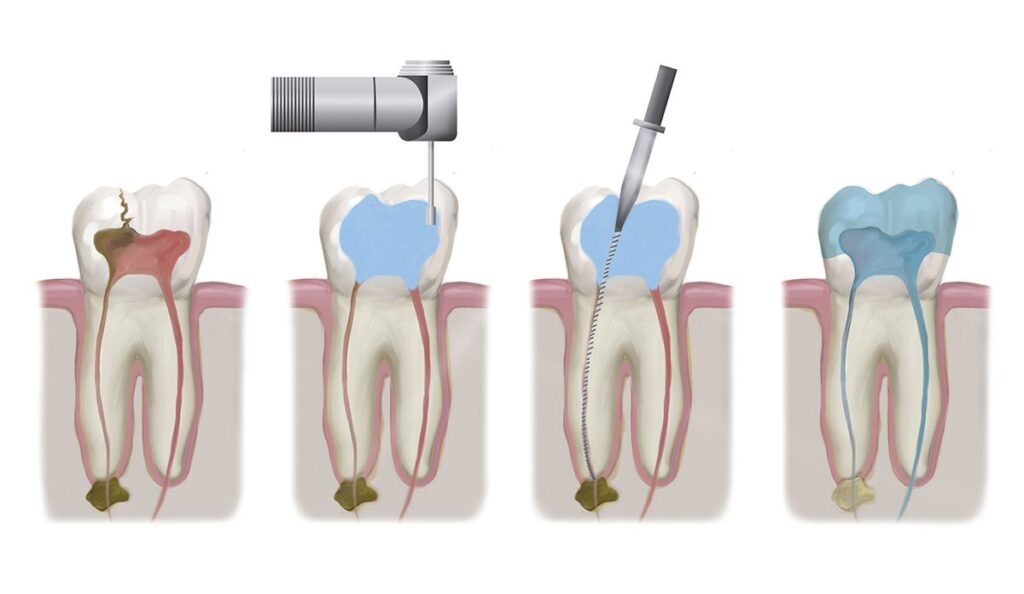
Root canal therapy is a specialized dental technique that can prevent the extraction of your natural tooth and relieve excruciating tooth pain. Professional dentists carefully and precisely carry out root canal procedures. In this blog, we’ll explore the importance of root canal therapy and how it may keep your smile bright and safeguard your dental health. Understanding Root Canal Therapy: When the dental pulp—the tooth’s deepest layer—becomes diseased or swollen, root canal therapy—also known as endodontic therapy—is administered. Deep dental rot, tooth fissures, or trauma may all contribute to this. The technique involves carefully removing the diseased or inflamed pulp, cleaning and disinfecting the root canal, and then sealing it to stop the spread of infection. Skilled Dentist: Dentists with expertise and skills who specialize in root canal procedures may be found. These dentists are qualified to carry out the treatment skillfully and successfully. Relief from Tooth Pain and Preservation of Natural Teeth: When the dental pulp is injured or infected, resulting in excruciating tooth pain, root canal therapy is frequently advised. Maintaining oral Health: If neglected, infected dental pulp can result in major issues with oral health. The infection may spread to the nearby tissues, leading to abscesses, bone resorption, and other problems. You may get rid of the infection and improve your dental health by getting root canal treatment in Indore. Root canal therapy is a dependable and efficient way to save a tooth that has been infected or injured. This process is expertly carried out in the city by qualified dentists with the goals of reducing discomfort, protecting natural teeth, and restoring oral health.
Dental Implants – Pros and Cons
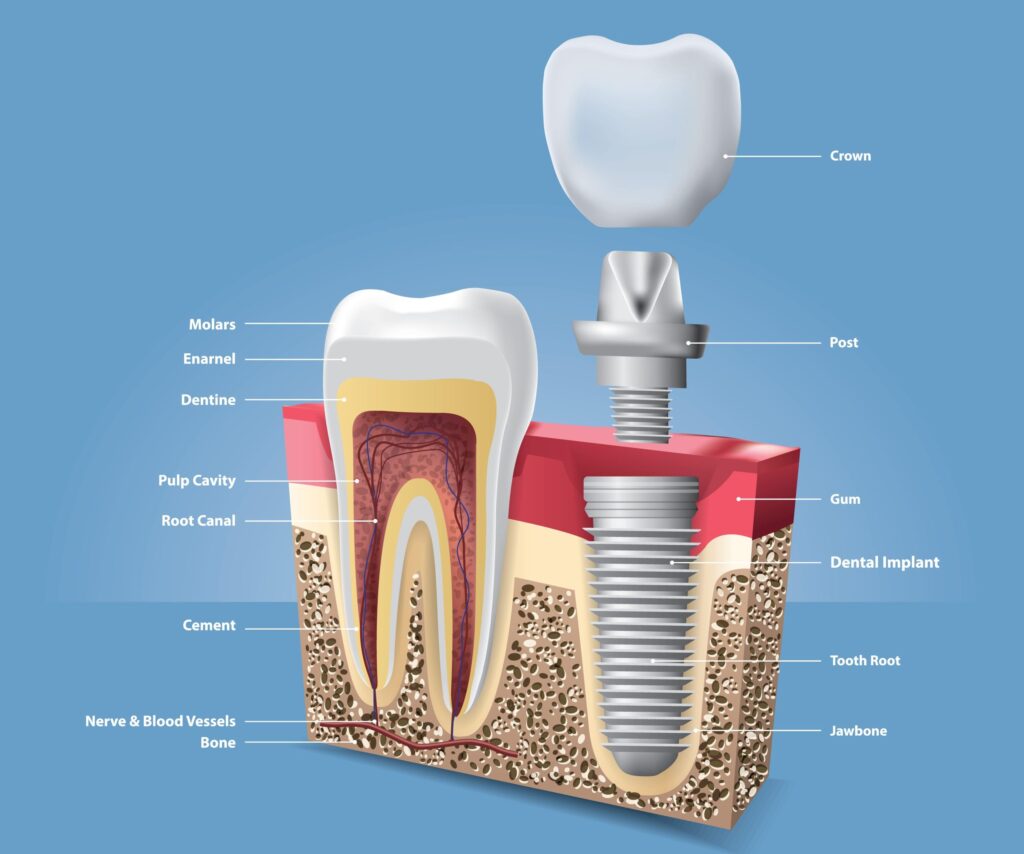
Dental implants are a popular and effective way to replace missing teeth. If you’re considering getting dental implants, it’s important to understand the pros and cons before making a decision. In this blog, we’ll discuss the advantages and disadvantages of dental implants. Pros of Dental Implant: Improved Appearance: Dental implants look and feel like natural teeth. They blend in seamlessly with your existing teeth, creating a more natural, attractive smile. Better Functionality: Dental implants function like natural teeth, allowing you to eat and speak comfortably and confidently. Long-Lasting: With proper care, dental implants can last for decades or even a lifetime. Prevent Bone Loss: When you lose a tooth, the bone beneath it can begin to deteriorate. Dental implants stimulate the bone, preventing further loss and maintaining the structure of your face. Convenience: Unlike dentures, dental implants are permanent and do not require removal or special cleaning procedures. Cons of Dental Implant: Surgical Procedure: Getting dental implants requires a surgical procedure that can be uncomfortable and may involve a lengthy recovery time. Time-Consuming: The process of getting dental implants can take several months from start to finish, requiring multiple appointments with your dentist. Not Suitable for Everyone: Some people may not be good candidates for dental implants due to health issues or insufficient bone density in the jaw. Dental implants offer many benefits, including improved appearance, better functionality, and long-lasting results. Ultimately, the decision to get dental implants should be based on your individual needs and circumstances. Be sure to discuss your options with an Implantologist about dental implant treatment in Indore
What to Expect After a Root Canal Treatment?

A root canal treatment is a common dental procedure that aims to save a damaged or infected tooth by removing the infected pulp and sealing the root canals. While it is a relatively straightforward procedure, many patients may be anxious about what to expect after the treatment. Here’s what you need to know. After Root Canal Treatment It’s common to feel some pain and sensitivity after the treatment, especially in the initial few days. Any type of pain or discomfort can be managed with over-the-counter painkillers. Till the tooth has been completely restored with a filling or crown, avoid biting or chewing on the treated tooth. To prevent aggravating the newly-treated tooth, use caution when eating or drinking. Observe any special aftercare guidelines your dentist may have given you. Long-Term Healing The tooth may still be vulnerable to decay or infection in the future if the root canal procedure is not a permanent fix. To stop future decay or infection of the tooth, it’s crucial to maintain proper oral hygiene routines, which include routine brushing and flossing. To check on the condition of the treated tooth and resolve any issues, make routine dental visits. In certain circumstances, the treated tooth could need further restoration, such as a crown or filling, to offer more support and security. Issues That Could Arise Although uncommon, some patients may have issues following a root canal procedure, such as an infection or a broken tooth. Contact your dentist right away if you feel any extreme pain, swelling, or other unusual symptoms following the procedure. Delaying care for a broken or infected tooth increases the risk of more serious issues, like an abscess or tooth loss. These tips can help you to be prepared for root canal treatment in Indore because a root canal procedure is a popular and successful technique to save a tooth that has suffered injury or infection. Most patients can resume their regular activities within a few days, but there may be some initial discomfort and sensitivity.
Can Wisdom Tooth Extraction Really Help?
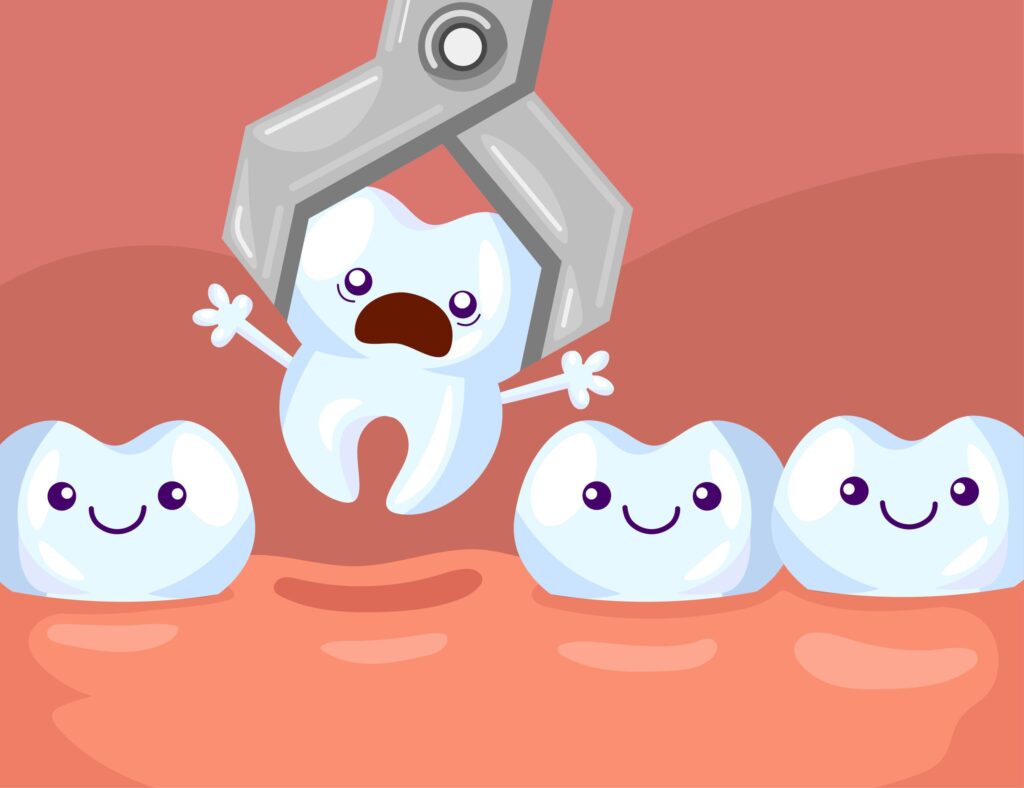
Wisdom tooth extraction is required when the final set of teeth that erupt in the back of the mouth are wisdom teeth, also referred to as third molars. Two are located on the upper jaw and two are located on the lower jaw in the majority of persons. Sadly, people frequently experience issues with these teeth, including pain, infection, and misalignment. In these situations, wisdom tooth extraction is a recommended course of therapy by dentists. We’ll talk about the advantages of wisdom teeth extraction and whether it can relieve pain for people who are experiencing it in this blog. The dentist removes one or more wisdom teeth during the wisdom tooth extraction procedure. Although it may seem difficult, millions of individuals have this common dental surgery each year. The dentist may occasionally advise general anesthetic to put the patient to sleep during the procedure. Here are Some of the Benefits of Wisdom Tooth Extraction: 1. Reduce Pain: When wisdom teeth erupt or grow, they can be very uncomfortable. When there is not enough room for them to erupt, they may push on neighboring teeth, causing discomfort and maybe infection. Removing wisdom teeth can relieve the pressure on nearby teeth, which causes less pain and suffering. 2. Avoid Infection: When wisdom teeth only partially erupt or are impacted, infections can also result. Swelling, discomfort, and even fever may result from this. Removing wisdom teeth reduces the risk of infection and discomfort for patients. 3. Enhance Oral Health: Wisdom teeth that are not positioned properly might crowd or move neighboring teeth, creating biting issues or jaw pain. By getting rid of these teeth, the neighboring teeth can keep their positions, which can ultimately improve your oral health. 4. Avoiding Future Dental Issues: Wisdom teeth that are not extracted can lead to issues in the future. These may result in dental problems such as decay, gum disease, and others. It is significant to remember that not everyone needs to have their wisdom teeth removed, even though this treatment might be advantageous. Some people have enough room in their mouths for their wisdom teeth, and these teeth come out without any issues in those cases. The easiest way to determine if wisdom teeth extraction is necessary is to schedule a consultation with an implantologists. Those who are suffering from discomfort, infection, or other issues related to their wisdom teeth may find that wisdom tooth extraction in Indore is a helpful solution. There are numerous dentists with experience in carrying out this surgery. To determine if treatment is necessary, it’s best to speak with a dentist.
How Dental Restoration can be Helpful?
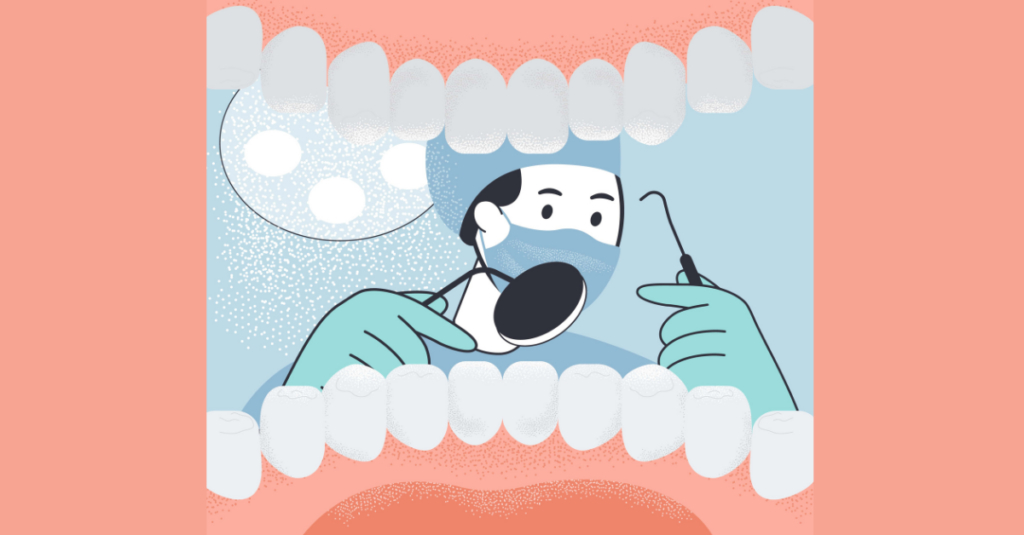
Dental Restoration: The process of dental restoration includes replacing lost, rotting, or damaged teeth to enhance their function, aesthetics, and overall oral health. Dental restoration may involve several procedures, including dental implants, crowns, bridges, dentures, and fillings. These procedures are very helpful in restoring your teeth’s health and functionality and improving your smile. In this blog, we’ll talk about the benefits of dental restoration 1. Regains Functionality Damaged or missing teeth can have their function restored by dental restoration. Dental implants can restore your ability to chew and talk properly by replacing lost teeth. This can raise your quality of life overall and stop further oral issues. 2. Enhanced Appearance Your smile and teeth can look better after a dental restoration. Replace missing teeth with crowns, bridges, or dentures to enhance the overall shape and appearance of your smile. Your confidence and self-esteem can increase, and you’ll feel more at ease in social situations if you have a lovely grin. 3. Stops Further Damage Your teeth and gums may not sustain more harm if you receive the restoration process. Deterioration and damage to teeth can spread to other teeth and result in more serious issues if left addressed. Dental crowns, bridges, and fillings can shield the teeth from further deterioration and decay. Dentures and dental implants can stop bone loss and preserve the structure of your jaw. 4. Rehabilitates Oral Health Dental restoration can stop gum disease, tooth decay, and other issues with oral health by replacing lost or damaged teeth. Routine dental exams and cleanings can help you preserve the well-being of your teeth and gums. 5. Permanent Results Long-lasting benefits may be obtained by dental restoration. Dental implants, crowns, bridges, dentures, and fillings can all last a long time with the right upkeep and care. In the long term, this can save you time, money, and the need for more involved dental procedures. Dental Restoration Therapies are : Dental Fillings: Dentists use dental fillings to treat cavities and restore the function of damaged teeth. Made to match the color of natural teeth and are typically made of composite resin. Crowns: Crowns are used to restore teeth that have been significantly deteriorated or damaged. They are custom-made to fit over the existing tooth and give protection and support. Bridges: Dentists use bridges to replace missing teeth. Bridges can be made of porcelain or metal, and they attach to nearby teeth for support. Dentures: Dentures are dental appliances that can fill in multiple gaps in the teeth. They are detachable and can be either partial or full. The restoration process is an extremely helpful procedure for replacing missing, rotting, or damaged teeth. It can deliver long-lasting effects, improve aesthetics, repair existing damage, and restore oral health. Dental fillings, crowns, bridges, dentures, and dental implants are just a few of the many choices for dental restoration. If you require dental restoration, speak with an experienced dentist who can help you with dental restoration in Indore, to identify the best course of action.
Most Common FYIs Orthodontics Treatments to Understand

If your teeth and/or jaw are misaligned, it’s important to urge treatment to straighten your bite. Whether by traditional braces, or a mouthguard, all orthodontic appliances help straighten teeth or keep them straight. Orthodontic Treatment: Orthodontic care may be a complex specialty branch of dentistry that needs additional education beyond general dentistry. If you’re a candidate for orthodontics, you’ll find that a successful treatment plan improves your self-confidence by improving your beautiful smile. Best Ages Ideally, all children should get an orthodontic assessment between ages 2 and 5 to work out the necessity for any growth corrections. Treatment at that time will focus totally on jaw and palate growth to ensure proper space for all teeth within the mouth. Then, between 4-10 years old, any growth problems are often monitored and treated as required. If growth has been corrected during the toddler years, you’ll hamper the likelihood your child will need braces or Invisalign. After the age of 10, if there are additional corrections needed, a brief course of clear aligners is often used. Metal Braces The gold standard in orthodontics for several decades was metal braces. Utilizing metal wires and brackets, metal braces are fixed appliances that push and pull teeth into their proper position over time. Braces are best for incredibly aggressive movements, where an excellent deal of space must be made. Once childhood is over, there’s very rarely a justification for metal braces to be used rather than clear aligners, aside from the cheaper cost. Space Closure One of the explanations for why metal braces could be needed is to finish orthodontic space closure, where teeth are extracted and braces help to shut the gap. In orthotropic, braces could also be used for very young children who have significant growth problems, usually to make space and widen the palate because the child grows. Contact the best orthodontist in Indore.
Are your Brushing Enough for Your Teeth?

Are you Brushing Enough for Your Teeth? We were taught to brush daily since childhood, it’s a habit of many. Many people think that only brushing will save their teeth from germs and they are wrong here. The brush has a mechanism to clean the germs stuck inside your teeth and gums. Just like your hands, with the help of toothpaste, it kills the germs inside it that are on the front, but still, the brush has its limitations. Such as: – The most important drawback is that it cannot ensure complete safety from the germs that are stuck on your tongue. Many brushes come with the technology of tongue cleaning, but not all. But still, we cannot stop brushing because it’s the best possible way for a healthy tooth in daily life. Here are some other options we have: – So, that’s it from this blog, I hope you got all the information needed
Foods that are Great for Your Teeth Whites

Having a healthy and white smile can boost your confidence and overall oral health. Certain foods are known to have a positive impact on the appearance of your teeth. Here are some foods that can help to keep your teeth white and strong Ginger Raw Wash and peel an in. of fresh ginger and begin chewing it slowly around the affected area, allowing the ginger to ooze its juices. Keeping it for an hour or two may help in reducing pain and swelling. Garlic Garlic features a lot of medicinal benefits and has been used for a couple of centuries. When crushed, garlic releases allicin, a natural antibacterial agent, which may kill harmful, plaque-causing bacteria and supply pain relief. Chew on a bit of raw garlic or apply crushed, raw garlic to the affected area to alleviate pain and swelling. Turmeric Turmeric is understood for its healing properties. it’s anti-inflammatory and antibacterial. Make a paste of turmeric powder with some water and apply it to the affected area. It also can be mixed with some honey rather than water and applied to the aching tooth. Asafetida or Hing Asafetida with juice or oil is one of the common remedies. Mix asafetida spice with half a teaspoon of warm juice or flavored and apply to the affected tooth every 20 minutes for 1 hour until the pain subsides. For laser dentistry treatment in Indore, contact us
Tips to Avoid Dental Problems

While brushing and flossing are two of the most important habits for maintaining healthy teeth and avoiding dental problems – there are several other simple effects you can do to avoid toothaches or worse tooth loss. More Brushing: More Brushing has never been a good option, this is your most awful tip, and you’ve heard it since you were too small to ride the big lifts. But, let us tell you why it’s so important for your oral and dental health. Maintaining oral health is a very easy process, you just first need to consult your dentist about what kind of dental problems you are suffering with. Although minimal change in diet or food intake can also help you to improve your oral health. Avoid the Shrine Buildup: This is how they cause tooth decay in our mouths – By feeding on the sugars in the foods and drinks we consume and leaving behind waste, in the form of a biofilm known as dental plaque. This temp allows all those little recyclers to linger around your teeth for long periods until they build up acids, which wear down tooth enamel and lead to depressions. [Also Read: What to Expect From a Dental Procedure] Quit Smoking: The majority of individuals are unaware of the harm smoking and using oral tobacco causes tooth infections. Smoking may do far more damage than simply teeth stains this bad habit can also result, in tooth loss, and even oral cancer. Find Out Which Condition You Are Prone To. The first step in taking control of your oral health is to find out which condition you are prone to. The best way to do this is through a comprehensive dental test. With regular examinations and discussions with your dentist, you’ll figure out where you stand or what kind of dental problems make you suffer the most. which treatments may be demanded, as well as what changes in oral hygiene and diet may help. For more information contact the best dentist in Indore. Avoid Sticky and Staining Food: Dragged exposure to teeth of acidic coffee or tea, compounded by added sugar or indeed just added milk can increase your threat for new depressions. Go ahead, and enjoy your coffee! But try to keep it to 20 twinkles or lower, and wash your mouth with water after. A dentist can help you out.
Reverse Time with Givnjivitis with These Tips

Believe it or not, reversing gingivitis is entirely possible—and doing so is crucial in preventing gingivitis from progressing into severe gum disease (which could lead to gum recession and tooth loss). Red, sore, swollen gums and bad breath caused by bacteria are nobody’s cup of tea, so knowing how to kick gingivitis to the curb is a must for a healthier smile. Reduce Sugars Steer clear of sugary foods and drinks, refined carbohydrates (mainly white bread), and sticky foods like candies and dried fruit. Such foods can stick to your teeth, and the sugar in them leads to plaque buildup. Instead of soda, choose water as your drink of choice, and consume high-fiber foods (like fruits, veggies, dried beans, whole grains, nuts, and seeds) for your source of carbohydrates. Antibacterial Mouthwash Regularly use an antibacterial mouthwash to help rid gingivitis-causing bacteria (more than just brushing and flossing alone) and reverse gum disease. Look for a mouthwash specifically designed to treat gingivitis and rinse as directed in package instructions. Contact an Expert Seeing a hygienist or dentist for regular professional cleanings is one of the best ways to get rid of gingivitis for good. Dental professionals thoroughly clean your teeth to eliminate gingivitis-causing bacteria and plaque using dental instruments and ultrasonic devices. Our dentist in Indore can help you out.
What to Do and What Not to Do After Teeth Whitening
In today’s world, having white teeth has practically become a cultural fixation. There are a plethora of new goods and gadgets on the market that all claim to brighten and whiten teeth. They Must Refrain From Consuming Any Coloured Beverages. They must Following the whitening treatment, a person should avoid any coloured liquids, including red wine, coffee, tea, beer, fruit juices, sodas, and the like. Because of their brilliant or artificial colour, these drinks tend to discolour the teeth. consuming any coloured drinks They Should Avoid Foods That Stain Them. They must avoid a wide range of foods after whitening their teeth, just as they must avoid certain types of beverages. They should avoid acidic, oily foods, as well as foods of any colour, as these might damage the enamel and contribute to discolouration. Following is a list of things they should avoid after whitening their teeth. It is never a good idea to make the costly mistake of keeping one’s teeth. To maintain their teeth gleaming and sparkling white, they should eat this diet only and avoid all other foods. They should also take extra precautions by brushing their teeth and using mouthwash regularly. They should not have any medical supplies in their residence. Instead, they might visit a dentist in Indore for teeth whitening.
Benefits of Teeth Hygiene
Oral Hygiene. Oral health should be a component of any medical procedure you think about as it’s of the utmost importance to your broader health. Poor mouth health can cause a slew of problems later in life. These problems include things like organ failure, heart conditions, cancer and in severe cases death.When whitening your teeth with a dental professional, you’ll have stains removed the proper way from your teeth allowing them to strengthen and become healthier. Create Impressions. It’s been scientifically proven that when meeting people, your smile is one among the key qualities that both draws people in and helps you allow an enduring impression on them. With the high-quality smile whitening your teeth can bring, you’ll expect to possess a way easier time meeting friends and romantic partners. you’ll even be sure that your appearance will make a positive impact during those encounters. Fast Procedure Many times, procedures require tons of your time both during and after to ascertain the advantages. Getting your teeth whitened isn’t one among those slow procedures. With whitening teeth, you’ll expect a professional dental professional to show around your smile in roughly an hour! While a couple of over-the-counter whitening products make similar claims, the results you’ll get with a dental professional and therefore the speed you’ll get them in may be a combo that’s unmatched. Safety Assured. If you’re considering doing teeth whitening via an over-the-counter treatment, re-evaluate . Many treatments cause severe damage to your gums and therefore the enamel around your teeth. With knowledge , you’ll expect whitening your teeth to be comfortable which the broader health of your mouth will get taken care of. You can also expect professional advice on the way to still properly look after your newfound, bright smile! Live Free. Not only will your beautiful smile shine once you catch on whitened but your brain may shine also . Bad oral hygiene can cause variety of cognitive issues and diseases later in life. When getting your teeth whitened by a dental professional, you set yourself in a superb position to assist get the care you would like to scale back that risk. For treatment, inspect the laser dentistry treatment in Indore