

 Vikas Singh Gurjar
My experience was very good … very well taken care of .Thank u Dr Anjaly , Dr Vatsal, Deepak , Ganesh , Vishnu and Gopal for your services.
View on GoogleHome » Multiple Tooth Dental Implants in Indore
Care led by Dr. Ashish Jain
Precise, planned implant placement
3D scans under one roof
Digital, painless dentistry
This page explains the treatment in plain language: what it is, who it suits, how many implants are usually needed, what the appointments involve, how long healing takes, and which questions you should ask before deciding. It is written to help you prepare for a consultation, not to replace one.
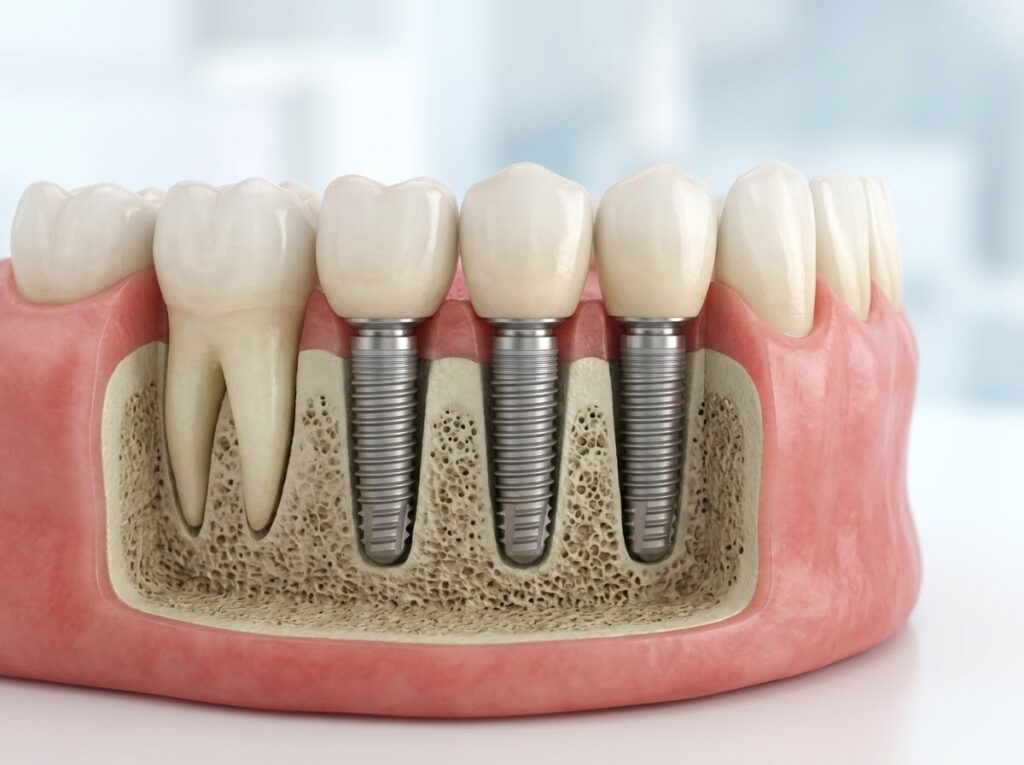
Quick answer: Multiple tooth dental implants replace two or more missing teeth using titanium posts placed in the jawbone. Depending on where the gaps are, each missing tooth may receive its own implant and crown, or two or more implants may carry a joined set of teeth. The right design depends on bone, bite and the position of the gaps, and is decided after a clinical examination and scans.
| Question | Short Answer |
|---|---|
| What is it? | Replacement of two or more missing teeth with implants placed in the jawbone and fixed crowns or joined teeth on top |
| Who is it for? | Adults with several missing teeth, in one area or in different parts of the mouth, who still have other healthy teeth |
| Who performs it? | Dr. Ashish Jain and the clinical team at Smile Dental Clinic, Indore |
| Anaesthesia | Usually local anaesthesia; sedation options |
| Number of visits | Typically several visits spread over a few months |
| Healing period | Bone bonding commonly takes about three to six months, varying by jaw and bone quality |
| Fixed or removable? | Fixed – the teeth are not taken out for cleaning |
| Cost | Depends on number of implants, grafting and crown material |
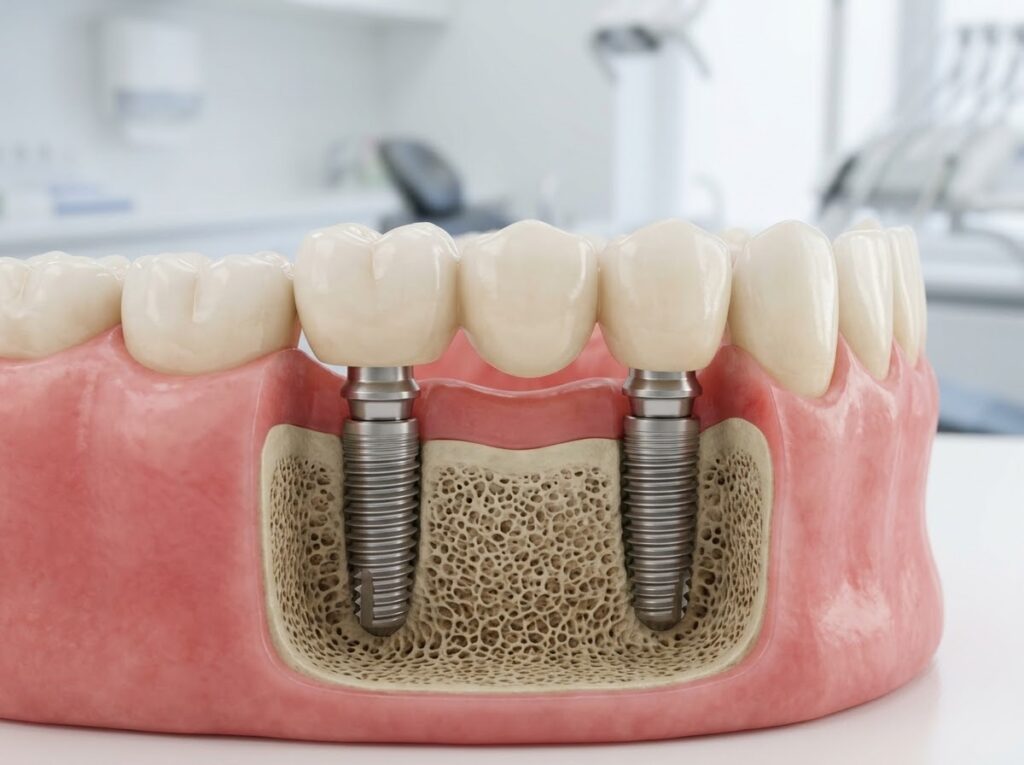
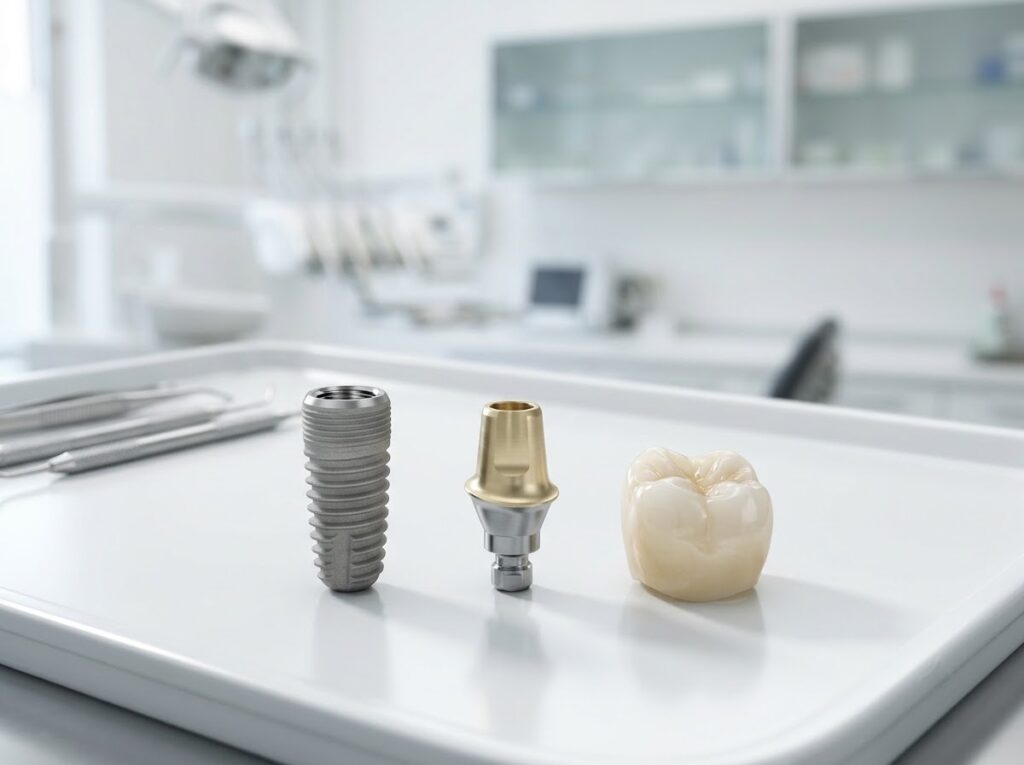
A dental implant is a small screw-shaped post, usually made of titanium, that is placed into the jawbone where a tooth root used to be. Over a period of weeks to months the bone grows tightly against the surface of the post. Dentists call this bonding process osseointegration. Once it is complete, the implant behaves like an artificial root and can carry a tooth-coloured crown.
“Multiple tooth implants” is not one single operation. It is an umbrella term for any plan in which more than one missing tooth is restored on implants while the remaining natural teeth are kept. In practice it covers three broad situations:
The treatment sits between a single tooth implant, which replaces one tooth, and full mouth implants, which rebuild an entire jaw that has no usable teeth. If you are unsure which category you fall into, the consultation will make that clear.
Teeth work as a team. Each one is held in position by the teeth beside it and the tooth that bites against it. When several are removed, that balance is disturbed, and the effects tend to build up slowly over years.
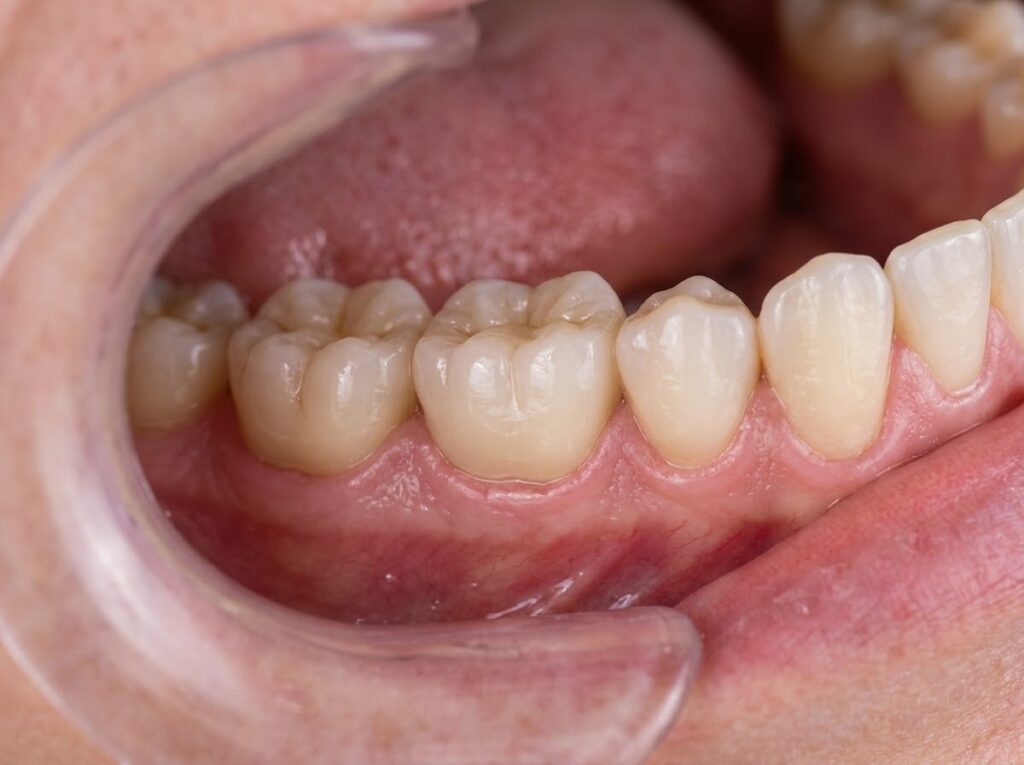
Teeth beside an open space gradually lean into it. The tilt may be only a few degrees per year, but it creates awkward angles that trap food, make cleaning harder and can complicate any later replacement.
A tooth with nothing to bite against may slowly grow out of its socket towards the empty space. This can expose part of its root, cause sensitivity and reduce the room available for a future replacement tooth.
Bone needs the stimulation of chewing forces passed down through a root. Where roots are absent, the ridge of bone becomes narrower and lower with time. The longer the gaps are left, the more likely it is that some form of bone building will be required before implants can be placed.
People naturally chew where they have teeth. Overloading the remaining teeth can lead to wear, cracks, loosening of fillings and tenderness in the jaw joints or muscles.
Gaps towards the front are visible when smiling. Gaps at the back can let the cheeks sink slightly. Missing front teeth may also alter the way certain sounds are formed.
None of these changes is an emergency, but together they explain why dentists generally advise replacing missing teeth rather than leaving wide gaps for many years.

Understanding the cause matters, because the same problem can threaten implants if it is not controlled first.
During your assessment, the dentist will ask how and when each tooth was lost. If gum disease was responsible, it must be treated and stabilised before implant surgery is considered.
You do not need to be in pain to benefit from an assessment. Consider booking a consultation if any of the following apply:
Implants are one option, not the only one. A fair consultation should place every reasonable alternative in front of you.
| Option | How It Works | Main Advantages | Main Limitations |
|---|---|---|---|
| Individual implants with separate crowns | One implant under each missing tooth | Closest to natural teeth; each tooth cleaned individually; neighbouring teeth untouched | Needs adequate bone and spacing at every site; higher cost when many teeth are missing |
| Implants carrying joined teeth | Two or more implants support a connected span | Fewer implants; can avoid sites with poor bone | Cleaning under the span needs special aids; if one part needs repair the whole unit may be removed |
| Conventional tooth-supported bridge | Natural teeth on either side are trimmed and crowned to hold false teeth | No surgery; quicker | Healthy tooth structure is removed; does not prevent bone shrinkage under the gap; not possible without a tooth behind the gap |
| Removable partial denture | Acrylic or metal-framed plate clipped to remaining teeth | Lowest initial cost; no surgery | Removable; may move while eating; clasps can load the teeth they grip; bone loss continues |
| No replacement | Gaps left as they are | No cost or treatment | Drifting, over-eruption, bone loss and overloading of other teeth may progress |
No option is right for everyone. Age, health, budget, bone, the condition of neighbouring teeth and personal preference all play a part.
This is the question patients ask most often, and the truthful answer is: it depends on the mouth. General planning principles include the following.
Two implants with two crowns is the usual plan where bone and space allow. In narrow areas, such as lower front teeth, one implant may sometimes support two small teeth, but only when bite forces are light.
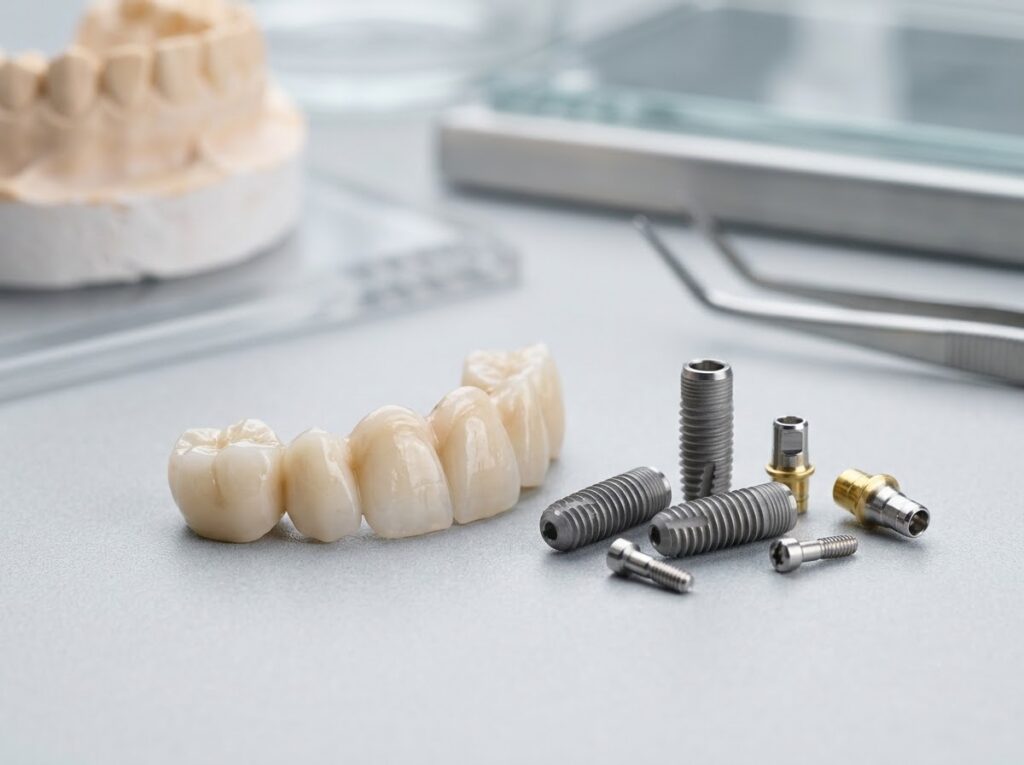
Two implants placed at either end of the gap can frequently carry three or four joined teeth. Where chewing forces are heavy – for instance in the molar area of someone who clenches – an additional implant may be recommended.
Each gap is assessed on its own merits. A single missing molar on one side and two missing premolars on the other would typically call for three implants.
This “free-end” situation cannot be restored with a conventional bridge because there is no rear support tooth. Implants are particularly useful here, as they provide support where none exists.
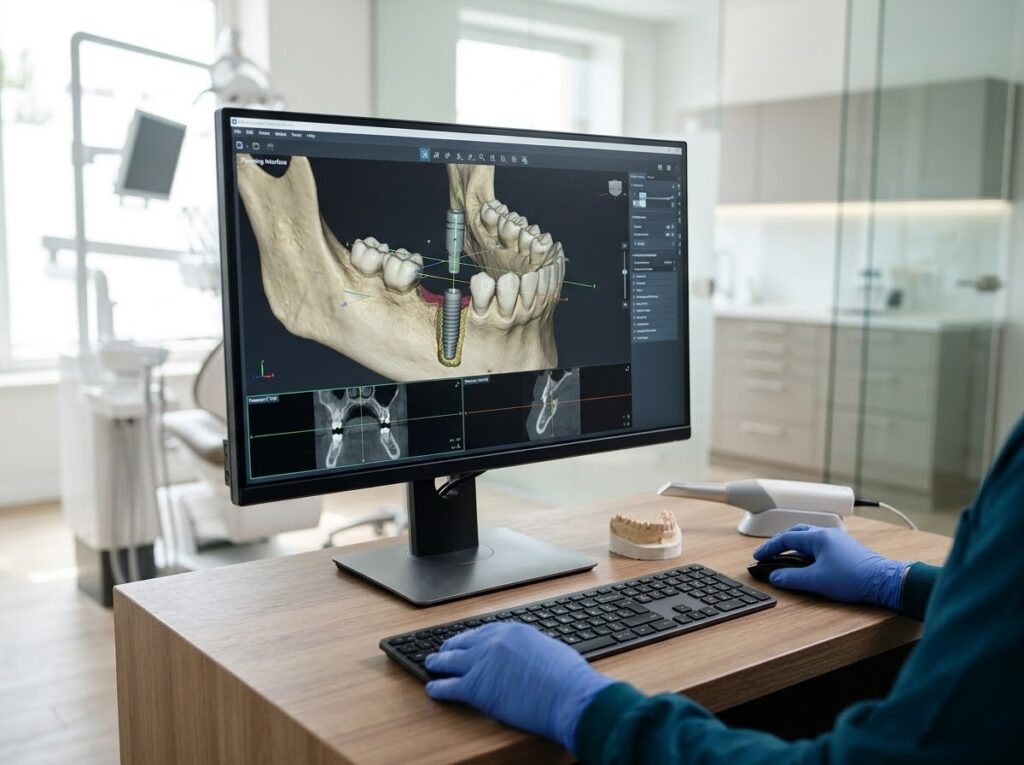
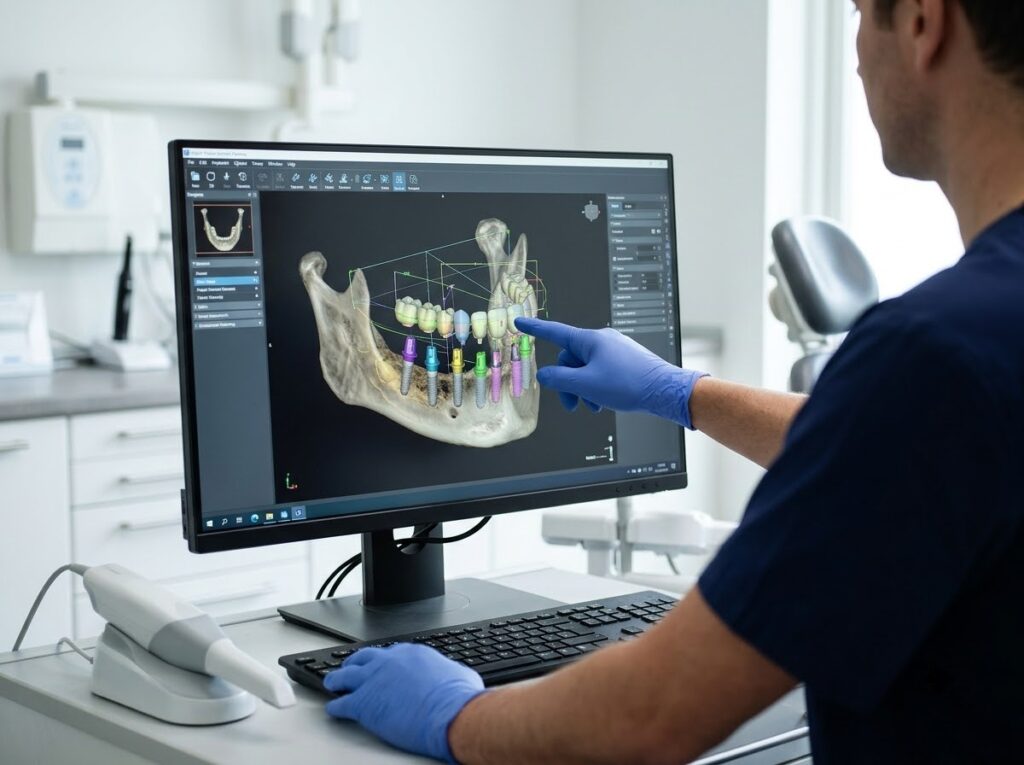
The final count is confirmed only after three-dimensional imaging.
Careful planning is what separates predictable implant treatment from guesswork. The assessment at Smile Dental Clinic generally includes the steps below.
You will be asked about diabetes, heart conditions, blood-thinning medicines, osteoporosis medicines, previous radiation treatment, allergies, pregnancy, smoking and tobacco chewing. Bring a list of your current medicines and any recent blood reports.
The dentist examines the gums, measures pocket depths around remaining teeth, checks for decay, studies how your teeth meet and looks at the amount of space available in each gap.
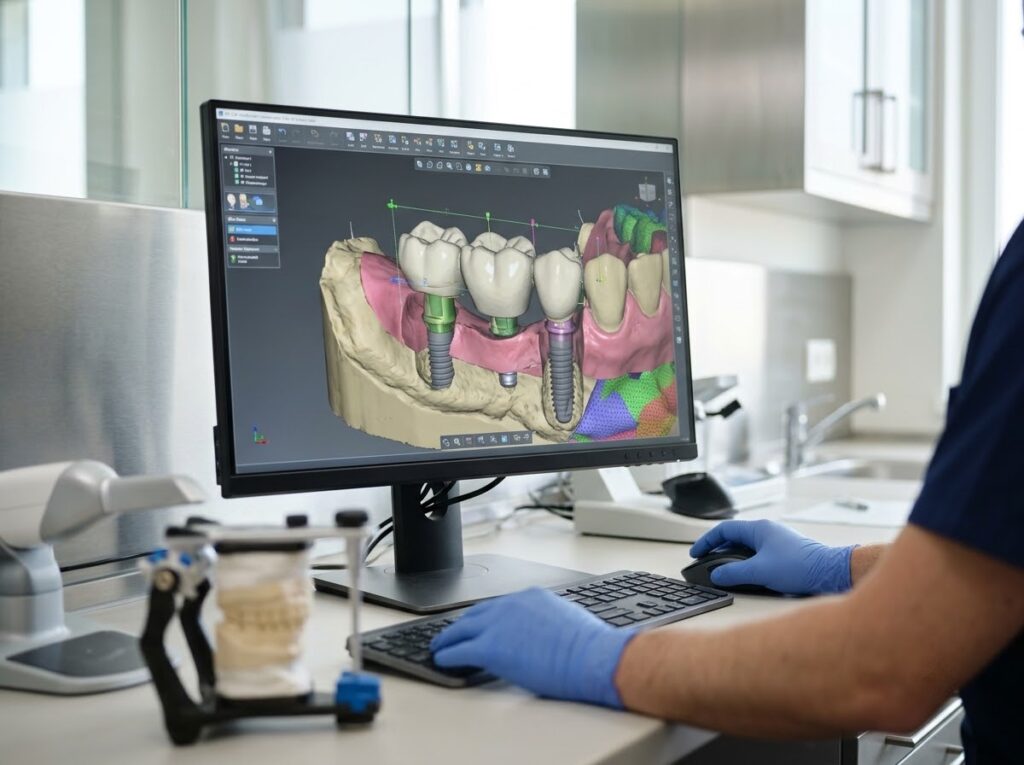
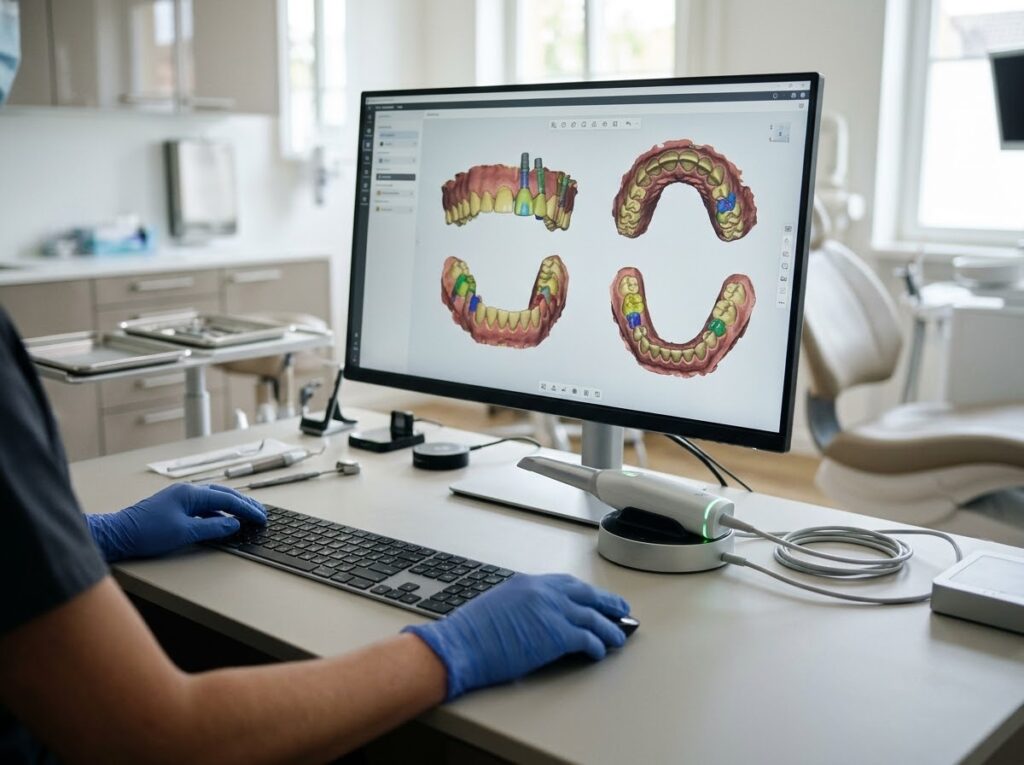
Impressions or digital scans of both jaws, bite records and photographs help the dental laboratory design teeth that match your existing ones in shape and shade.
Before any surgery you should receive a clear plan describing how many implants are proposed, whether grafting is expected, the sequence and approximate timing of visits, the type of final teeth and an itemised estimate.
Most healthy adults who have finished growing can be considered for implants. Suitability is generally good when:
Honest advice includes telling people when implants are not the right choice, at least for now.
When teeth have been missing for a long time, the bone at the site may be too thin or too shallow to hold an implant securely. In these cases additional procedures may be suggested.
If a tooth is being removed and an implant is planned later, graft material can be packed into the socket on the day of extraction to limit shrinkage.
Where the ridge is too narrow, bone graft material and a protective membrane are placed to widen it. This may be done before implant placement or at the same sitting, depending on how much bone is lacking.
In the upper back jaw, the air-filled sinus often expands downwards after tooth loss, leaving little bone. A sinus lift gently raises the sinus lining and places graft beneath it to create height for implants.
Graft material may come from your own bone, processed donor or animal-derived bone, or synthetic substitutes. The source proposed for you, and the reason for choosing it, should be explained before you consent.
Grafting adds time, usually several months of healing, and cost. It is recommended only when the scan shows it is required for a stable result.
The exact sequence is tailored to each person, but most multiple implant treatments pass through the following stages.
Scaling, treatment of gum disease, fillings and removal of unsaveable teeth are completed first so that implants go into a clean, stable environment.
Using the CBCT scan and models, implant positions, angles and sizes are decided in advance. A surgical guide may be used to transfer the plan to the mouth.
Local anaesthetic is given so the site is fully numb. You remain awake and can communicate throughout.
A small opening is made in the gum, and a series of precise drills, cooled with sterile saline, shapes a channel in the bone at each planned position.
Each implant is gently threaded into place. Stability is checked. Depending on the plan, a cover screw or a healing cap is attached, and the gum is closed with a few stitches.
Over the following months, bone bonds to the implants. A temporary replacement may be worn during this time so you are not left with visible gaps.
If the implants were covered by gum, a minor procedure exposes them and healing caps are fitted to shape the gum collar.
Accurate records of the implant positions are sent to the laboratory, where abutments and crowns are made.
The crowns or joined teeth are tried in, the bite is adjusted, the shade is checked with you, and the restoration is fixed in place.
Follow-up visits confirm that the gums are healthy, the bite is comfortable and you are cleaning effectively.
Patients often worry that multiple implants mean multiple operations. In many cases, all implants in one jaw – and sometimes in both jaws – can be placed at a single surgical appointment. Doing so means one period of numbness, one course of post-operative medicines and one healing phase.
Staging may be preferred when:
Your dentist will explain why a particular sequence is proposed for you.
Implant placement is carried out under local anaesthesia in the dental chair. Most people describe a sense of pressure and vibration rather than pain. Appointment length depends on the number of implants and whether grafting is involved.
If you are anxious about dental treatment, mention it at the consultation. Options such as conscious sedation may be available. After the numbness wears off, discomfort is usually managed with prescribed painkillers for a few days.
Timing can be confusing, so here is what the common terms mean.
Faster is not automatically better. The priority is a stable long-term result, and the schedule is chosen accordingly.

The following tools are commonly used in modern implant dentistry. Their availability at the clinic should be confirmed before this section is published.
Technology supports clinical judgement; it does not replace it.
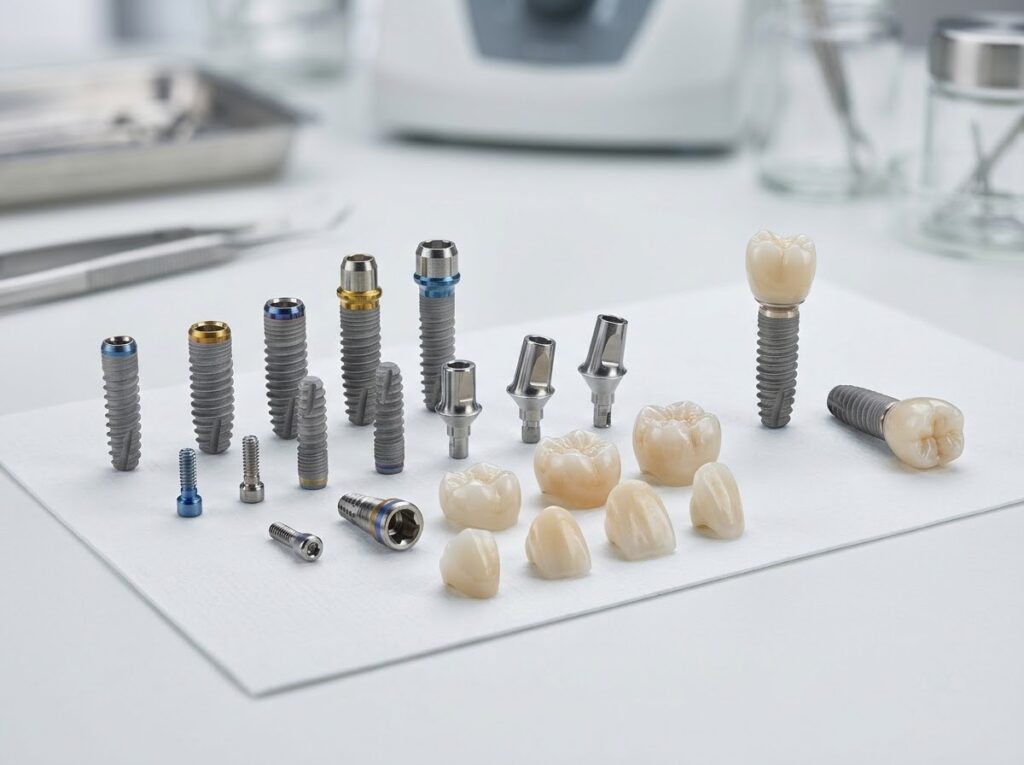
Most implants are made from titanium or titanium alloy, a material with a long record of acceptance by bone. The brand and system proposed for you should be named in your treatment plan, and you should receive an implant record for future reference.
This connector sits between the implant and the crown. It may be titanium or tooth-coloured zirconia, selected according to position and gum thickness.
The best material depends on where the teeth are, how you bite and your aesthetic expectations.
Why patients choose implant treatment over removable options.
No plate to remove, no clasps and no adhesive.
Neighbouring healthy teeth are not trimmed down to act as supports.
Firm support allows a wider range of foods than most removable options.
Chewing forces passed through implants help maintain the bone around them.
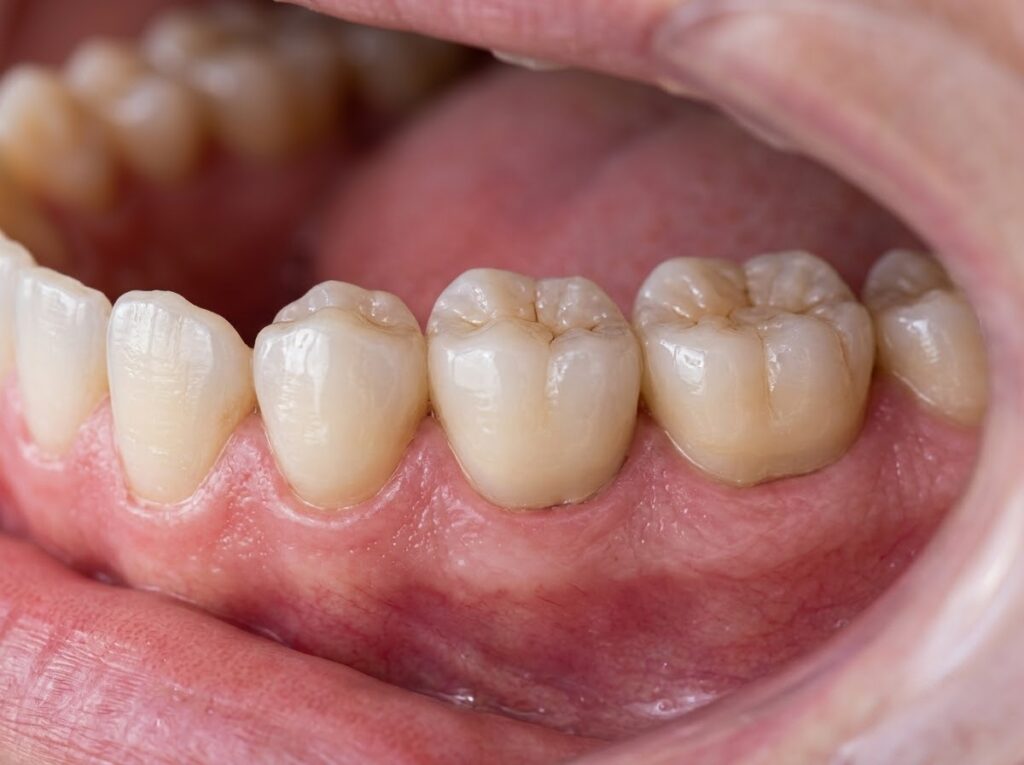
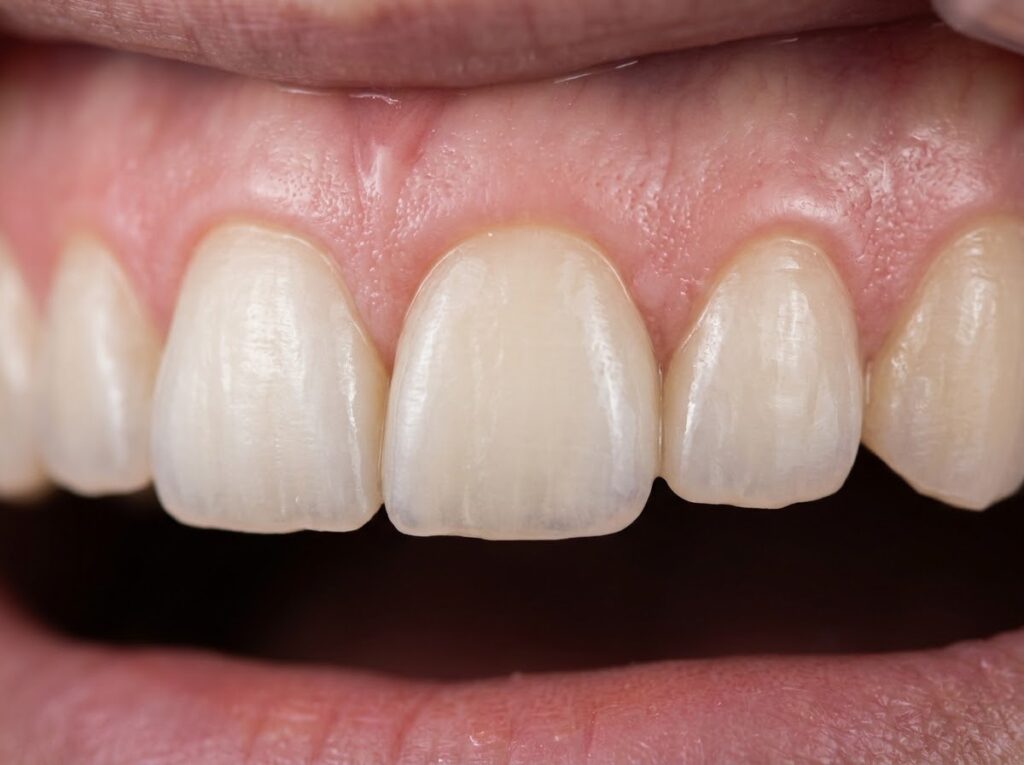
Crowns are shaped and shaded to blend with your own teeth.
There is no acrylic covering the palate.
With good care and regular reviews, implants can serve for many years. No treatment can be guaranteed for life.
Every surgical procedure carries some risk. You should understand these before consenting.
Limitations are also worth stating plainly: treatment takes months rather than days, it requires adequate bone or grafting, and it costs more initially than removable alternatives.
Multiple implant placement is a day procedure. There is no overnight admission in routine cases. After the treatment you will rest briefly, receive written instructions and prescriptions, and go home the same day. Plan to take the remainder of the day off.
| Period | What Is Typical |
|---|---|
| First 24 hours | Numbness wears off; mild oozing; swelling begins. Rest, cold packs and soft, cool food |
| Days 2–3 | Swelling usually peaks, then starts to settle; discomfort controlled with medicines |
| Days 4–7 | Most people feel close to normal; bruising fades |
| 7–14 days | Stitches removed or dissolve; gum surface heals |
| 3–6 months | Bone bonds to the implants; no pain expected; temporary teeth in use if provided |
| After bonding | Impressions, crown fabrication and fitting of final teeth |
Healing varies from person to person. Contact the clinic if pain increases after the third day, swelling keeps growing, bleeding does not stop with pressure, fever develops or numbness persists.
Chew mainly on the other side if advised, keep temporary teeth clean, and attend review appointments even when everything feels fine.
Many people with desk-based jobs return to work the next day or within two days. Those with physically demanding work may need a little longer. Avoid heavy exercise, swimming and lifting for several days, because raised blood pressure can provoke bleeding and swelling. Driving is fine after local anaesthesia alone, but not after sedation on the same day.
Implants cannot decay, but the gum and bone around them can become inflamed. Long-term success depends heavily on what you do at home.
Few people are comfortable walking around with visible spaces for several months, and you should not have to. The choice of interim replacement depends on where the gaps are and how much load the area takes.
For back teeth that do not show, many patients choose to manage without a temporary. Whatever is provided, it is designed for appearance and light use rather than for full chewing.
“Every missing tooth must have its own implant.” Not always. Where teeth are missing in a row, two well-placed implants can often carry three or four teeth.
“Implants are rejected by the body like a transplant.” Titanium does not trigger organ-type rejection. When an implant fails, the usual reasons are infection, overload, poor bone or impaired healing rather than an immune rejection.
“Older people cannot have implants.” Age alone is not the deciding factor. General health, medicines and bone condition are what count.
“Implant teeth need no cleaning because they cannot decay.” The crown cannot decay, but the surrounding gum can become diseased if plaque is allowed to collect.
“Once the teeth are fitted, check-ups are unnecessary.” Review visits allow small issues such as a loosening screw or early gum inflammation to be corrected before they become serious.
There is no single price for multiple implants, because no two plans are the same. The estimate is built from several components:
Ask for a written, itemised estimate, and compare plans on the basis of what is included rather than on headline price alone. A lower figure may exclude scans, grafting or the final crowns.
Dental implants are frequently excluded from standard health insurance policies in India, although some policies or corporate plans provide limited dental cover, and treatment following an accident may be considered differently. Please check your policy wording or speak to your insurer. The clinic can provide the documentation needed for a claim.
Meet your implantologist
Managing Director
Dental Surgeon & Implantologist
Dr. Ashish Jain is the founder and Managing Director of Smile Dental Clinic, Indore, and practises as a dental surgeon and implantologist.
Implant treatment for several teeth requires surgical skill and prosthetic planning in equal measure: the implants must be placed where the bone allows, and also where the final teeth need to be. Having planning, surgery and restoration coordinated within one clinic helps keep those two requirements aligned.
 Vikas Singh Gurjar
My experience was very good … very well taken care of .Thank u Dr Anjaly , Dr Vatsal, Deepak , Ganesh , Vishnu and Gopal for your services.
View on Google Shrutikirti Bhatele
My experience was the best dental experience ever. The doctors are polite and they explain you every single detail. I am so satisfied that I chose to come here. Thank you Smile Dental Clinic.
View on Google Sarita Patel
I am relationship satisfied with the treatment doctors are so helpful and kind
View on Google nivi jain
The treatment was amazing I got done scaling and the doctors were very helpful.
View on Google Dheeraj Patidar
I had a great experience at Smile Dental Clinic with my orthodontic treatment. I was suffering from a crossbite, which made it difficult for me to eat comfortably. After completing my treatment, the problem has been resolved, and my smile has improved significantly. I am extremely happy with the results! The Dr Satyajit Tekade is very skilled, friendly, and supportive, and the other doctors at the clinic were also very kind and professional. The entire experience was smooth and comfortable, and I truly appreciate the care and guidance I received throughout my treatment. I am highly satisfied with my treatment and would definitely recommend this clinic to anyone looking for quality dental care!
View on Google Kavya
𝕋𝕙𝕖 𝕤𝕥𝕒𝕗𝕗 𝕞𝕖𝕞𝕓𝕖𝕣𝕤 𝕒𝕟𝕕 𝕕𝕠𝕔𝕥𝕠𝕣𝕤 𝕒𝕣𝕖 𝕖𝕩𝕔𝕖𝕝𝕝𝕖𝕟𝕥... ❤️💖😁😁
View on GoogleClear answers to what patients ask us most. Still unsure? Our team is happy to talk it through.
Call us or book a visit and we will answer your questions in person.
Often yes. Long-standing gaps usually mean some bone has been lost, so grafting may be required, but the length of time since tooth loss does not by itself rule out implants. A CBCT scan gives the answer.
The procedure is done under local anaesthesia, so you should not feel pain during it. Afterwards, soreness and swelling are expected for a few days and are normally controlled with prescribed medicines. Placing several implants in one visit does not usually mean several times the discomfort.
Not necessarily. A temporary removable tooth plate, a temporary bridge or, in selected cases, temporary teeth on the implants can be provided. Ask about this during planning, especially for visible areas.
Implants are intended as a long-term solution, and published studies report that most continue to function for many years. Longevity depends on oral hygiene, gum health, smoking, general health and regular professional care. Crowns may need repair or replacement over time due to normal wear.
People with well-controlled diabetes are commonly treated with implants. Your recent sugar reports will be reviewed, and surgery may be postponed until control is satisfactory.
There is no upper age limit as such. General health and bone condition matter more than the number of years. Implants are usually avoided in young people whose jaws are still growing.
Generally this is avoided. Natural teeth have a slight cushioning movement in their sockets, whereas implants are rigidly fixed. Joining the two can create uneven stresses, so implant restorations are normally kept separate.
Brush as you would natural teeth, and clean between and beneath the implant teeth daily with the aids shown to you. The hygienist or dentist will demonstrate the technique for your specific restoration.
If an implant does not bond, it is removed. The site is allowed to heal, sometimes with grafting, and a new implant can frequently be placed later. The plan for the remaining implants is reviewed accordingly.
Most people take the day of surgery off and return within a day or two, depending on the extent of treatment and the nature of their work.
If you are living with several missing teeth, a clear diagnosis is the best first step. At your consultation, your mouth will be examined, the necessary scans arranged, and every suitable option – including non-implant alternatives – explained along with expected timelines and costs. You are welcome to bring previous X-rays, reports and a family member.
This page provides general educational information and is not a substitute for a personal clinical examination. Treatment suitability, timelines and results vary between individuals.