Aligning Teeth, Jaw Muscles
and the Bite Together
An approach to orthodontics that considers the muscles and joint position alongside tooth alignment, aiming for a bite that is comfortable to hold as well as straight to look at.
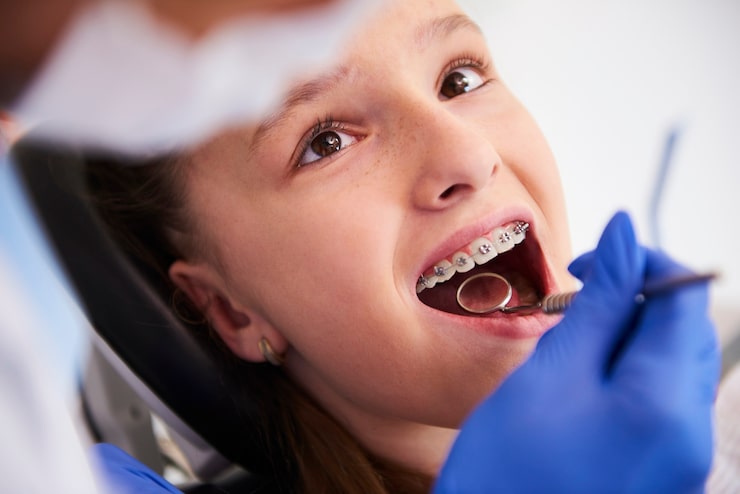
Teeth can look well aligned and still leave the jaw muscles working harder than they should. Neuromuscular orthodontics looks at where the jaw rests most comfortably and plans tooth movement around that position, rather than treating alignment on its own.
Conventional orthodontics focuses on moving teeth into an ideal alignment. A neuromuscular approach adds a second question: where do the jaw muscles and joints sit most comfortably? Treatment is then planned so that the finished bite supports relaxed muscle function rather than working against it.
Treatment planning involves:
Chewing forces are spread more evenly across the teeth instead of loading a few contacts.
A jaw position the muscles can hold comfortably reduces day-long tension and fatigue.
Relieving overworked jaw and temple muscles often eases recurring head and neck ache.
Widening a narrow arch can create room for teeth and, in children, support airway growth.
A bite that suits the muscles is more comfortable to maintain once treatment finishes.
Whether this approach suits you depends on your joint health, bite and symptoms. A full assessment with the best dentist in Indore establishes which treatment is appropriate for your case.
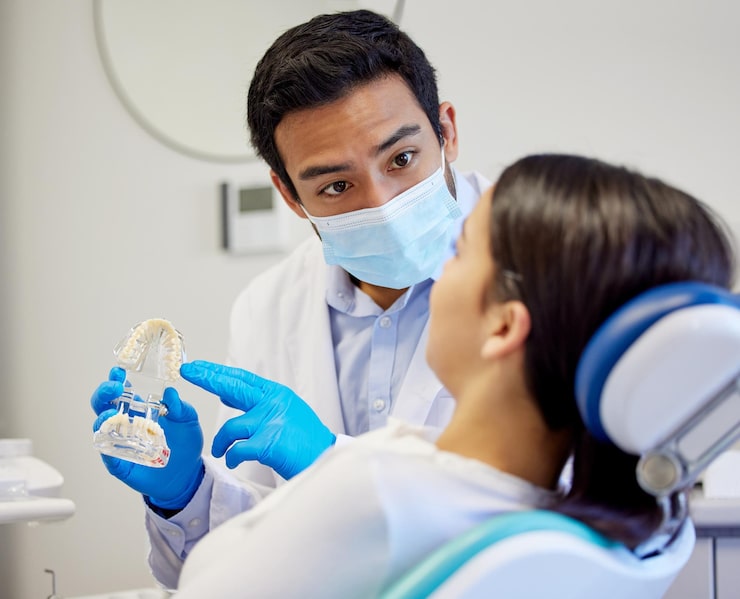
Jaw movement, muscle tenderness, bite and posture are examined and recorded.
A comfortable rest position for the jaw is identified and used to plan treatment.
An appliance, and braces or aligners where needed, move the teeth to match that position.
Retainers hold the result while comfort and jaw function are monitored over time.
Book a consultation for neuromuscular orthodontics in Indore and find out whether a muscle-led approach suits your bite.
Traditional orthodontics plans tooth movement primarily from the teeth and skeletal relationship. A neuromuscular approach also records where the jaw muscles rest comfortably and uses that position as a reference when planning the final bite.
It can form part of managing a bite-related jaw problem, but it is not a guaranteed cure and it is not the right answer for every case. TMJ symptoms have several possible causes, so conservative treatment usually comes first and orthodontics is considered once the picture is clear.
Growth-stage treatment can be valuable. Narrow arches, mouth breathing, crowding and early jaw symptoms are often easier to guide while a child is still growing, which is why an orthodontic assessment around age seven is recommended.
The approach favours creating space by developing the dental arch where that is feasible. Extractions are not ruled out entirely — severe crowding or certain bite patterns may still require them, and that is discussed with you before treatment starts.
Timelines vary widely with age and complexity. An appliance phase may run for several months before fixed braces or aligners begin, and full treatment commonly spans 18 to 24 months. You will get an estimate once records are complete.
Jaw position, head posture and neck muscle tension are related, and some patients report feeling less neck and shoulder strain. The evidence linking bite correction to lasting postural change is still debated, so we prefer to set realistic expectations rather than promise a postural result.
Yes. Fixed braces or clear aligners are typically the tool used to move the teeth into the planned position. The neuromuscular part of the work is the assessment and planning that decides where those teeth should finish.
Yes. As with any orthodontic treatment, teeth tend to drift once active movement stops. Retainers hold the corrected position while the bone, gums and muscles settle around the new bite.
Still have a question about neuromuscular orthodontics? Book a consultation and our team will answer it in person.