

Why Do Teeth Become Sensitive to Hot and Cold Foods?
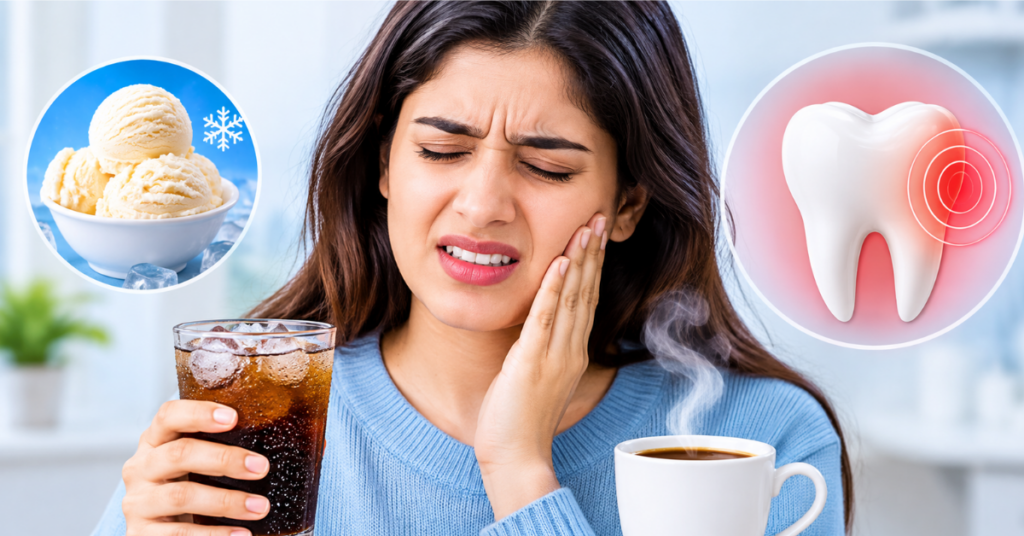
Tooth sensitivity is a common dental problem that can cause discomfort when eating or drinking something hot or cold. You may experience a sudden sharp pain while drinking cold water, eating ice cream, or enjoying a hot cup of tea. This discomfort can occur in one tooth or several teeth and may affect your daily eating habits. Understanding the reasons behind tooth sensitivity can help you identify the problem and seek appropriate dental care. 1. Enamel Erosion Tooth enamel is the hard outer layer that protects the inner parts of your teeth. Frequent consumption of acidic foods, carbonated drinks, and improper brushing habits can gradually weaken the enamel. When enamel becomes thin, the sensitive inner layer of the tooth becomes more exposed, causing discomfort with hot and cold foods. 2. Gum Recession Gum recession occurs when the gum tissue gradually pulls away from the teeth, exposing the roots. Unlike the crown, tooth roots do not have a protective enamel covering. This makes them more sensitive to temperature changes. Gum recession can happen due to gum disease, aggressive brushing, or ageing. 3. Tooth Decay and Cavities Dental cavities develop when bacteria produce acids that damage the tooth structure. As decay progresses, it may reach the inner layers of the tooth, causing sensitivity and pain. If you experience repeated discomfort while eating sweets or drinking cold beverages, a dental examination can help identify possible cavities. 4. Cracked or Damaged Teeth Small cracks in teeth may expose the sensitive inner layers to temperature changes. You might notice sharp pain while chewing or drinking something cold. Cracks can develop due to accidental injuries, teeth grinding, or biting hard foods. Early treatment can help prevent further damage. 5. Excessive Teeth Whitening Some teeth-whitening products contain ingredients that temporarily increase tooth sensitivity. Using whitening strips, gels, or treatments too frequently may cause discomfort when consuming hot or cold foods. It is better to consult a dentist before starting whitening treatments. 6. Worn-Out Dental Fillings Old, damaged, or loose dental fillings may expose sensitive areas of the tooth. This can allow temperature changes and bacteria to affect the underlying tooth structure. A dentist can examine the filling and recommend replacement or other treatment if necessary. How Can You Manage Tooth Sensitivity? You can reduce tooth sensitivity by following a few simple dental care practices: When Should You Visit a Dentist? Occasional sensitivity may improve with proper oral care, but persistent or severe pain should not be ignored. If you experience sensitivity in a particular tooth, swelling, pain while chewing, or discomfort that continues after consuming hot or cold foods, consult a dentist. Early diagnosis can help prevent complications and protect your natural teeth. Patients undergoing orthodontic treatment should also maintain regular dental checkups. If you are considering braces for mouth alignment, a dentist can evaluate your teeth, gums, and overall oral health to determine the appropriate treatment and help maintain healthy teeth throughout the orthodontic process.
Tooth Bonding Cost: The Quick, Affordable Way to Fix Your Smile
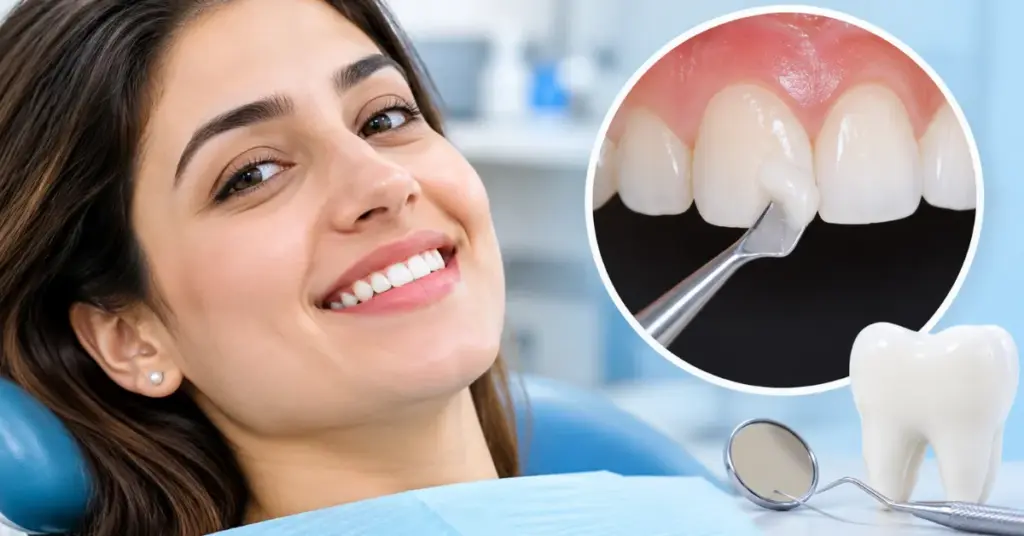
A chipped front tooth from a fall, a small gap you’ve never liked, or one tooth that looks shorter than the rest. These small flaws can make you hold back your smile. Dental bonding fixes them in a single visit, often without an injection, at a fraction of the cost of veneers. Here’s what it is and what the tooth bonding cost looks like. What is dental bonding? Bonding uses tooth-coloured composite resin, the same material as modern white fillings. The dentist lightly roughens the tooth surface, applies the resin in layers, sculpts it into shape, hardens it with a blue light and polishes it to match your natural teeth. The whole process takes 30 to 60 minutes per tooth. What can bonding fix? Dental bonding price in India Treatment Typical cost range Small chip repair ₹1,500 to ₹3,500 per tooth Gap closure (both sides of the gap) ₹3,000 to ₹8,000 per gap Full composite veneer ₹4,000 to ₹10,000 per tooth Typical Indian market ranges. The dental bonding price and your bonding for teeth cost depend on the size of the repair and the number of teeth, and are confirmed after examination. Bonding vs veneers Bonding Porcelain veneers Visits 1 2 to 3 Tooth trimming Little or none Thin layer of enamel Stain resistance Moderate Excellent Lifespan 4 to 8 years 10 to 15+ years Cost Lower Higher Bonding is the best choice for small fixes, and the bonding teeth price is far lower than veneers. For a full smile transformation, veneers usually give a longer-lasting result. Caring for bonded teeth Book a bonding consultation in Indore Fix that chip or gap in a single visit. We’ll match the shade to your natural teeth. Smile Dental Clinic · 322, Greater Brajeshwari, Pipliyahana, Indore, Madhya Pradesh · Phone: +91 98260 92665 · Monday to Saturday, Sunday by appointment Frequently asked questions
Why Does My Tooth Hurt More at Night?

Tooth pain can become more uncomfortable at night, making it difficult to fall asleep or get proper rest. You may notice a mild toothache during the day that becomes sharper or more intense when you lie down. This can happen due to several dental problems, including tooth decay, gum infections, or inflammation inside the tooth. Understanding why tooth pain gets worse at night can help you identify when to seek dental care and how to manage the discomfort safely. What Causes Tooth Pain to Get Worse at Night? Several factors can contribute to increased tooth pain at night. 1. Tooth Decay and Cavities Tooth decay is one of the common causes of toothache. When bacteria damage the protective enamel, they can reach the inner layers of the tooth and cause sensitivity or pain. If the cavity becomes deep, the pain may become more severe, especially at night. 2. Inflammation Inside the Tooth The pulp inside your tooth contains nerves and blood vessels. Deep cavities, cracks, or dental injuries can inflame this tissue, causing throbbing pain that may disturb your sleep. Sometimes, the discomfort can spread to the jaw or surrounding areas. 3. Lying Down Can Make Pain More Noticeable When you lie down, changes in blood flow and pressure may contribute to the sensation of throbbing in an already inflamed tooth. With fewer distractions at night, you may also become more aware of the discomfort. 4. Gum Infection or Dental Abscess A dental abscess is a pocket of pus caused by a bacterial infection. Symptoms may include persistent tooth pain, swollen gums, sensitivity to hot or cold foods, and an unpleasant taste in the mouth. An abscess requires prompt professional treatment and should not be ignored. 5. Teeth Grinding During Sleep Some people clench or grind their teeth while sleeping. This habit can put pressure on the teeth and jaw muscles, causing tooth sensitivity, jaw pain, or headaches when waking up. How Can You Relieve Tooth Pain at Night? You can try a few temporary measures to manage discomfort until you receive dental care: Do not place aspirin directly on your tooth or gums, as it may damage the tissue. Home remedies may provide temporary relief but cannot treat the underlying cause of a toothache. If your tooth pain persists or becomes severe, consult a dentist for proper evaluation and Toothache Treatment. Depending on the cause, appropriate Dental Treatments may help relieve pain and address the underlying dental problem. When Should You Visit a Dentist? You should arrange a dental appointment if your toothache persists, repeatedly wakes you up, or becomes increasingly severe. Pain accompanied by fever, facial swelling, pus, or difficulty opening your mouth needs urgent dental assessment. If you experience difficulty breathing or swallowing, or swelling that is spreading rapidly, seek emergency medical care immediately. Early treatment can help identify the cause of the pain and prevent some dental problems from becoming more complicated. FAQs
Are Video Calls Making People Notice Their Smile More Than Ever?

The front camera has replaced a mirror for many. Individuals have become more conscious of their looks with video meetings, social media, online interviews and creating content, and one of the first things they see is their smile. The emerging consciousness has created a greater awareness over dental treatment in Indore among people who seek to put their mouth in good shape and are confident with their appearance. Once it was a matter of aesthetics, it is now a regular part of one’s sense of self. Why small dental issues feel bigger The chipped tooth, discoloration, uneven spacing, or an old dental restoration might not be noticeable during the day. But frequent exposure to cameras can alter people’s perceptions of their smile. Many people confess that they only realized that they had an issue with their teeth when they kept seeing themselves in the meeting or videotapes. Confidence Is Becoming Part of Oral Health No one is stopping people from going to the dentist before they even become painful! Many are now looking for preventive care and solutions to help them feel at ease with smiling, speaking and socializing. There are several reasons why people are seeking dental advice today. • Relax and be open about your emotions during online meetings •Visible tooth damage • Long-standing cosmetic concerns • Professional appearance goals Increased awareness of oral health These are some of the reasons that the attitude toward oral health care has changed. In an increasingly digital world, people tend to make a first impression based on smiles rather than on conversations. Increasingly, people are becoming more aware of oral health and confidence and are aware that they need to go to a dental hospital Indore and avail of dental treatment services for preventive care and oral health. FAQs 1. Why are more people searching for dental treatment in Indore today? Many people seek dental treatment in Indore because appearance awareness and oral health consciousness are increasing. 2. When is a dental crown in Indore usually considered? A dental crown in Indore may be considered when a tooth requires restoration, protection, or structural support. 3. Why are people visiting a dental hospital Indore even without tooth pain? Many individuals visit a dental hospital Indore for preventive care, smile improvement, and routine oral health assessments. 4. Can dental treatment in Indore improve confidence during video calls? Dental treatment in Indore may help address oral concerns that affect confidence and self-image. 5. How can a dental hospital Indore help with long-term oral health? A dental hospital Indore can provide professional evaluation, preventive care, and treatment options based on individual needs.