
Home » Invisible Aligners in Indore
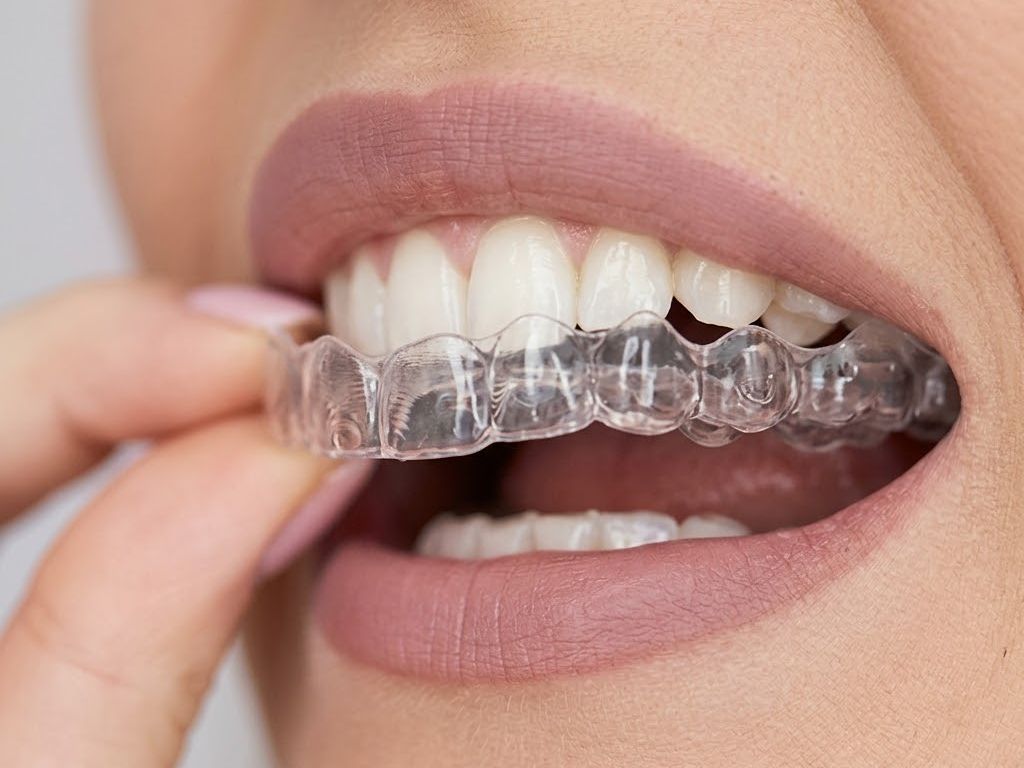
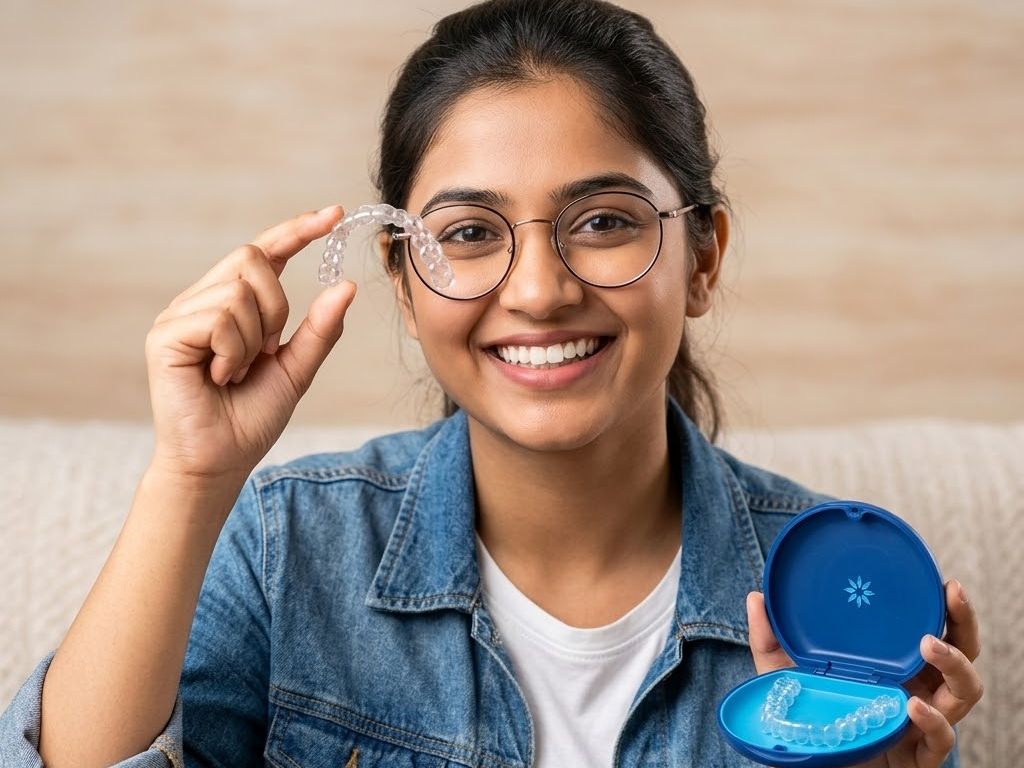
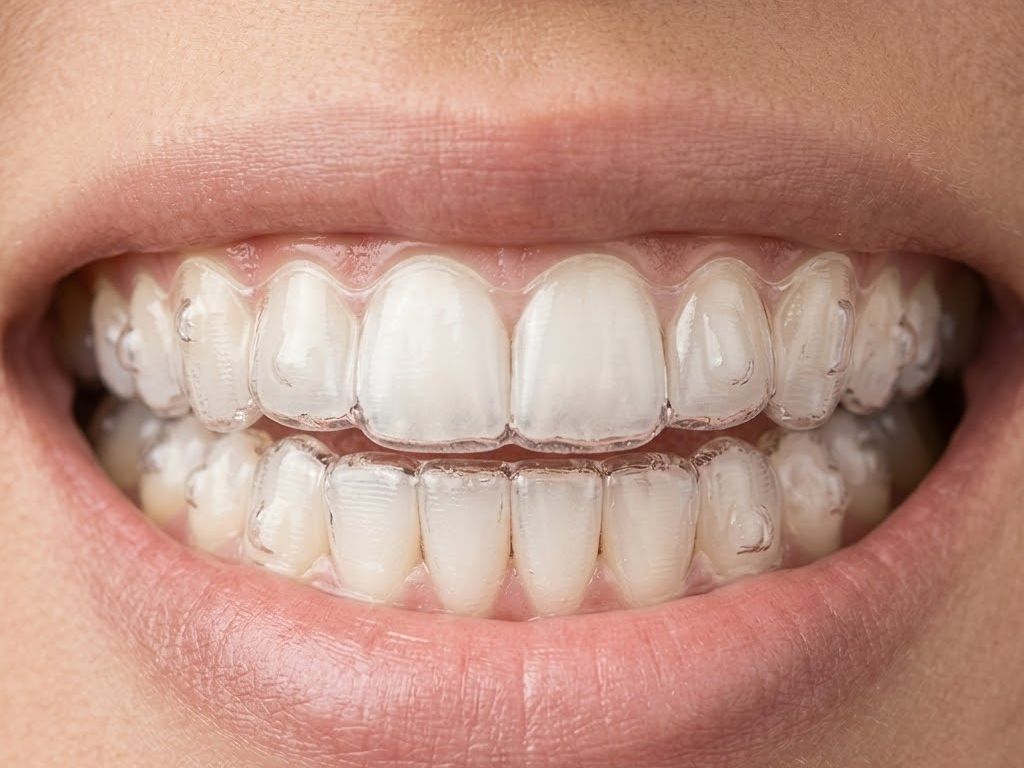
Clear trays that barely show when you smile or speak
Take them out to eat, brush and floss normally
Smooth custom material, no wires or brackets
Every tray is planned from your own digital scan
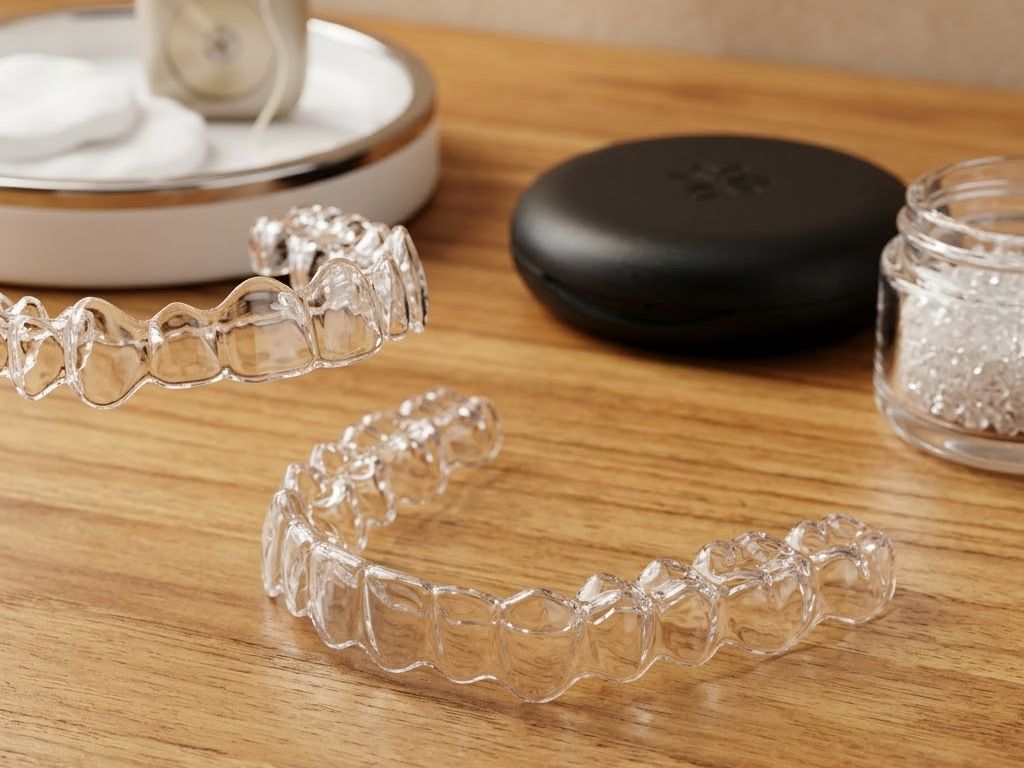
Invisible aligners are transparent, removable trays designed to gradually move teeth into proper alignment. Unlike traditional braces, they apply gentle pressure through a series of custom-made trays, each worn for about one to two weeks before moving on to the next in the sequence.
A series of custom, see-through aligners.
Maps how your teeth will move, stage by stage.
A new tray every one to two weeks.
An evaluation by the best dentist in Indore helps determine whether invisible aligners are suitable for your teeth condition and overall oral health.
Teeth that twist or angle out of line affect your smile and bite.
Spacing can trap food and change how your smile looks.
Overlapping teeth are harder to clean and align evenly.
Minor overbite, underbite or crossbite concerns.
General adjustment for a more even, balanced smile.
Benefits of invisible aligners
Every benefit below comes from the same idea: aligners fit around your life, not the other way round.
Clear trays are far less noticeable than metal braces, so you can smile confidently throughout treatment.
Smooth, custom-moulded material reduces the irritation often caused by brackets and wires.
Take them out to eat, brush or attend an important event, then simply put them back on.
Because the trays come out, brushing and flossing stay as easy as they were before treatment.
A customised plan moves your teeth in controlled stages towards the projected final result.
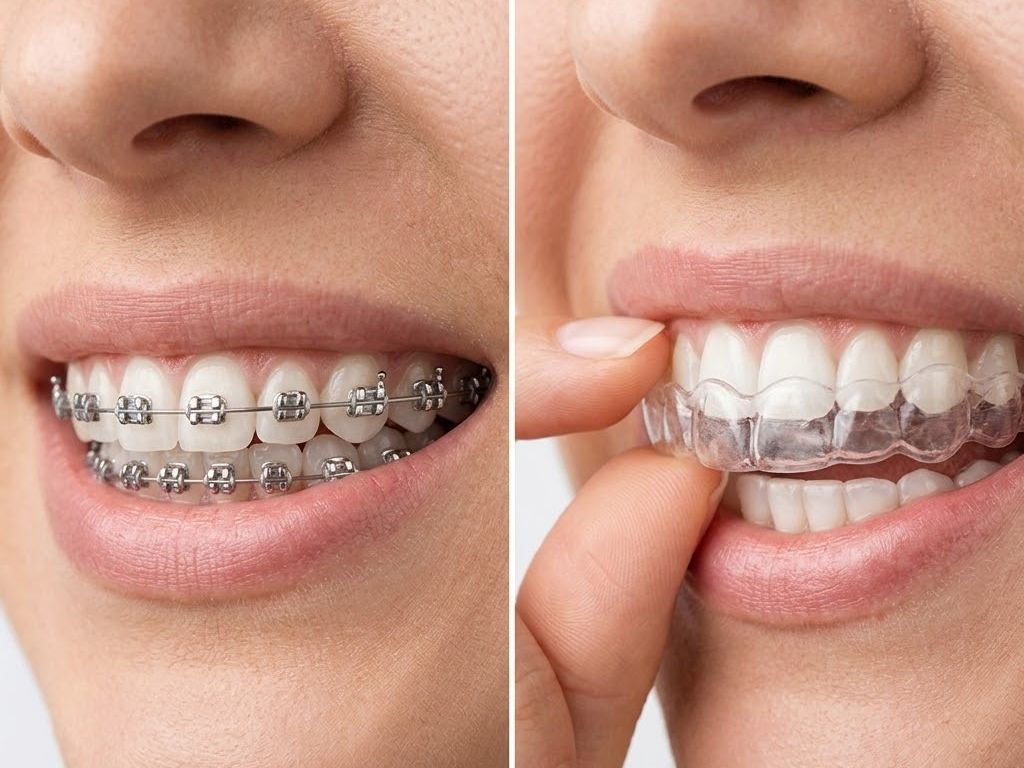
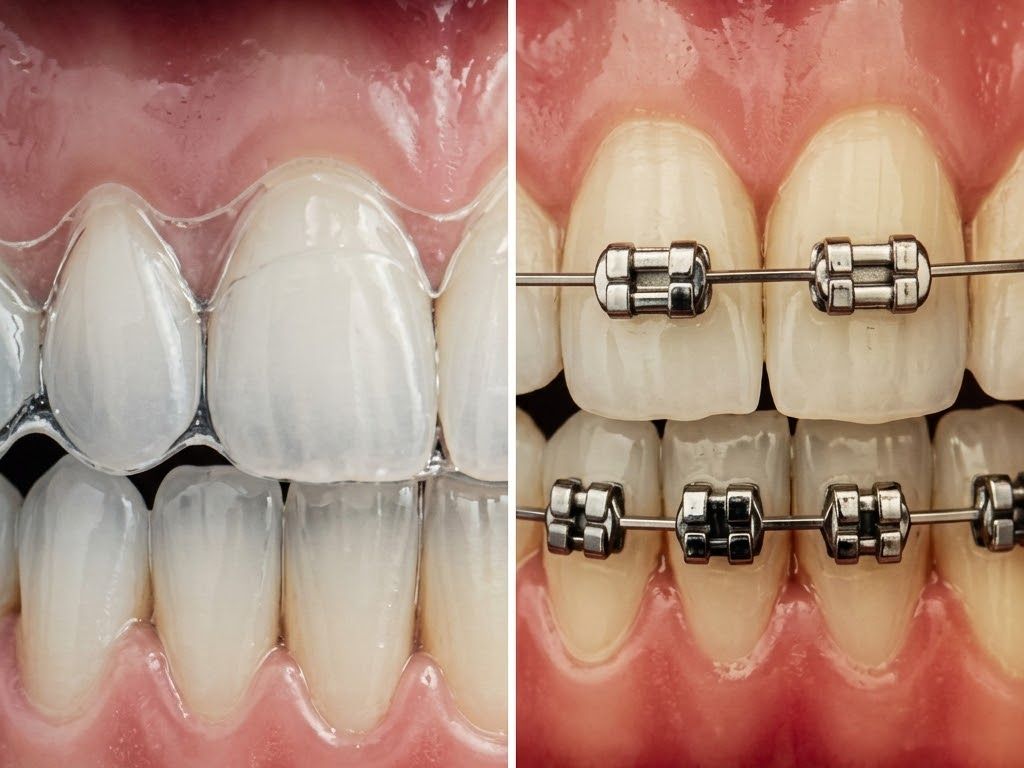
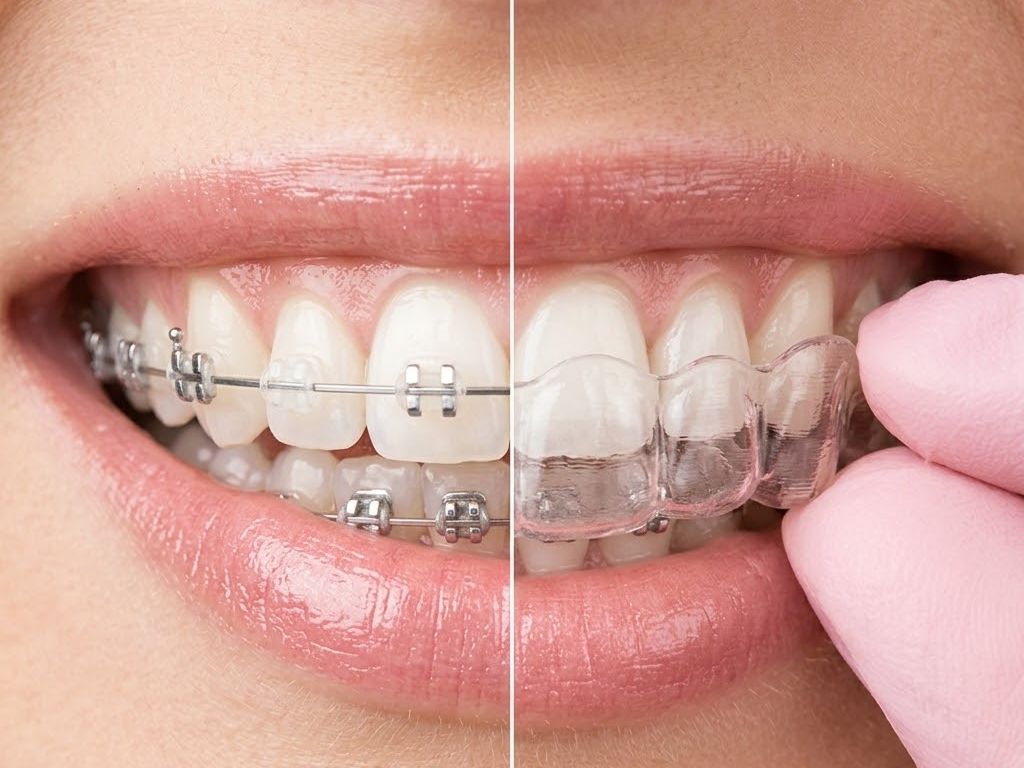
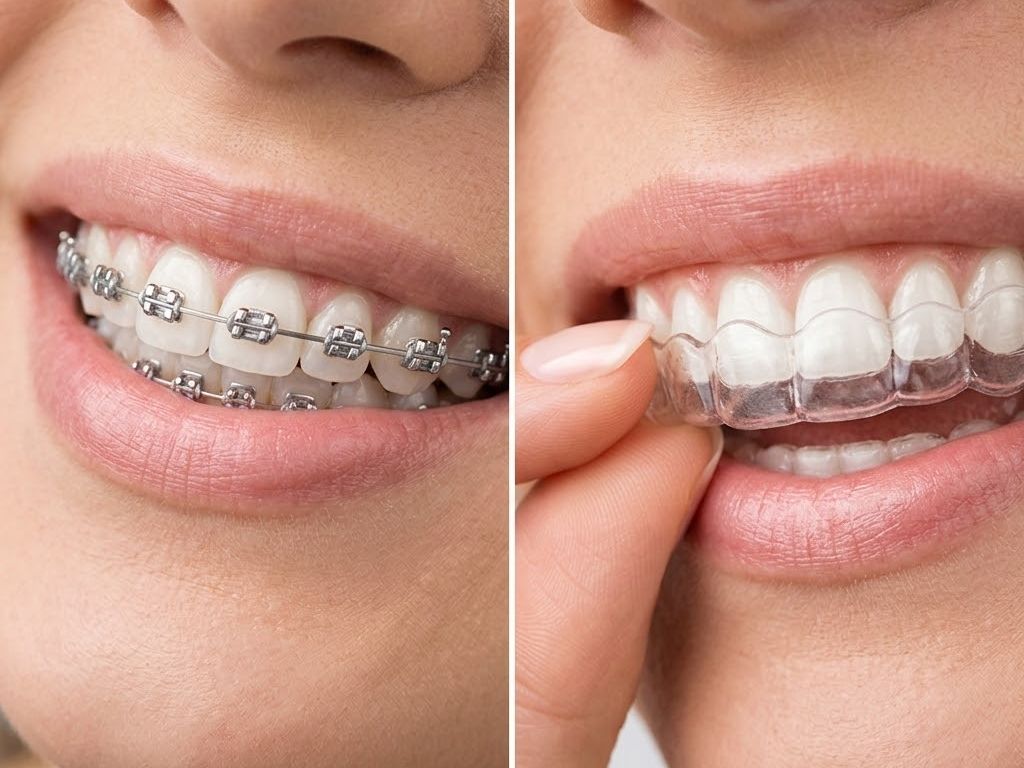
Neither is universally better. Aligners suit mild to moderate crowding, spacing and alignment concerns and are preferred for discretion and comfort. Braces remain more predictable for complex bite corrections and severe rotations.
| Clear Aligners | Traditional Braces | |
|---|---|---|
| Appearance | Clear, hard to notice | Visible brackets and wires |
| Removable | Yes, take out to eat and clean | No, fixed for the whole treatment |
| Comfort | Smooth edges, minimal irritation | Mild soreness after adjustments |
| Best for | Mild to moderate crowding, spacing | Complex bite and rotation corrections |
| Discipline needed | 20 to 22 hours a day wear time | None, works around the clock |
| Visits | Fewer, spaced further apart | Every 4 to 6 weeks |
Meet your orthodontist
Director, M.D.S., Ph.D.
Fellowship in Clinical Orthodontics & Implantologist
Dr. Satyajit Tekade evaluates every aligner case with a digital 3D scan before treatment begins, so you know exactly how your smile will move, tray by tray, from the first fitting through to retention.

Your aligner journey
From your first scan to your final retainer, every stage is planned, explained and monitored so you always know what comes next.
A dental examination and digital scan record your teeth, bite and overall oral health.
A digital treatment plan maps how your teeth will move, stage by stage, before trays are made.
Each tray is worn 20-22 hours a day and changed on schedule as your teeth gradually shift.
Retainers hold your corrected tooth positions and protect the result long term.
Clear answers to what patients ask us most. Still unsure about something? Our team is happy to talk it through.
Call us or book a visit and we will answer your questions in person.
Most aligner treatments take between 6 and 18 months. Mild spacing or crowding can finish sooner, while more complex movements take longer. Your orthodontist will share an estimated number of trays and a timeline once the digital plan is ready.
They are very discreet rather than completely invisible. The trays are transparent and fit closely over the teeth, so most people will not notice them in conversation or photographs. Small tooth-coloured attachments are sometimes needed to guide certain movements.
Aligners need to be worn 20 to 22 hours a day, essentially all the time except when eating, drinking anything other than water, and brushing. Wear time is the single biggest factor in finishing on schedule.
Aligners are generally more comfortable than fixed braces, with no brackets or wires to irritate the cheeks. It is normal to feel mild pressure or tightness for a day or two each time you move to a new tray, which settles quickly.
Neither is universally better. Aligners suit mild to moderate crowding, spacing and alignment concerns and are preferred for discretion and comfort. Braces remain more predictable for complex bite corrections and severe rotations. A consultation determines which is appropriate for your case.
Cost depends on the aligner brand chosen, how many trays your case needs and the overall complexity of the movements planned. Because every case differs, we share a clear, itemised estimate after your consultation and digital records, before treatment begins.
Always remove your aligners to eat and to drink anything except plain water. Hot drinks can warp the trays, and coloured drinks such as tea, coffee or soft drinks will stain them. Rinse or brush before putting the trays back in.
Yes. Teeth naturally tend to drift back towards their earlier positions once active treatment ends. Retainers hold the corrected result while the surrounding bone and gums stabilise, and wearing them as advised is essential to protect your new smile.
Book your consultation for invisible aligners in Indore and find out whether clear aligner treatment is right for your smile.