
Have you ever noticed a small white or dark spot on your tooth while brushing or looking in the mirror? These changes in tooth colour can occur for several reasons. Sometimes, they are related to harmless staining or natural enamel variations, while in other cases, they may indicate early tooth decay or other dental concerns. Understanding the possible causes can help you recognise when a dental examination may be necessary.
What Causes White Spots On Teeth?
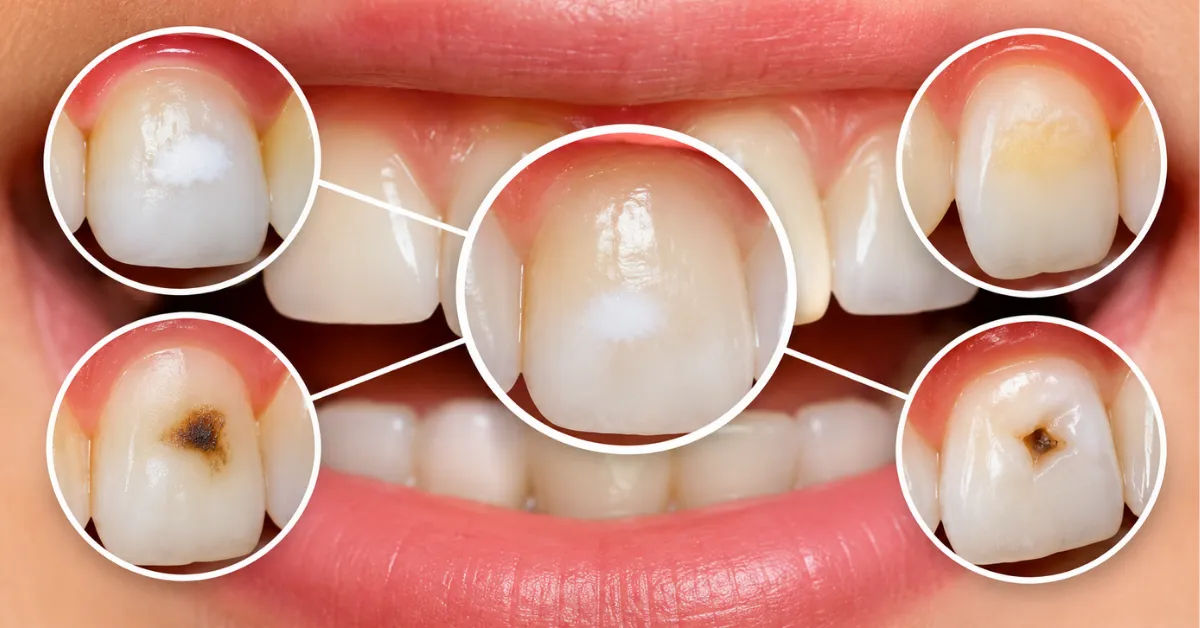
White spots may develop when the tooth enamel loses minerals or undergoes changes during development. Some common causes include:
1. Early Enamel Demineralization
When plaque bacteria produce acids, they can remove minerals from the enamel. This may create chalky white patches, sometimes appearing before a cavity develops.
2. Dental Fluorosis
Excessive fluoride exposure during tooth development can cause white lines, patches, or spots on the enamel. The appearance may vary depending on the level of exposure.
3. Changes In Enamel Development
Some people naturally develop white spots because of variations in enamel formation. These marks may be visible from childhood.
4. Early Tooth Decay
An early stage of tooth decay can sometimes appear as a white, dull area on the tooth, particularly near the gumline or between teeth.
What Causes Dark Spots On Teeth?
Dark spots can develop due to external stains or changes within the tooth structure.
Common causes include:
- Tooth decay: Brown or black spots may indicate a cavity, although not every dark spot means decay.
- Food and drink stains: Tea, coffee, and certain foods can gradually stain tooth surfaces.
- Tobacco use: Smoking and chewing tobacco may contribute to persistent dark staining.
- Tartar buildup: Hardened plaque can collect around the gumline and appear yellowish or brown.
- Changes in dental fillings: Older fillings may become discoloured or develop visible changes around their edges.
When Should You Get A Tooth Spot Examined?
A dental examination is advisable if you notice:
- A spot that is becoming larger or darker.
- Sensitivity to hot, cold, or sweet foods.
- Pain while biting or chewing.
- A rough or damaged tooth surface.
- Spots accompanied by visible holes or food getting trapped.
Even without pain, a new or changing spot should not be ignored.
How Can You Maintain Healthy Tooth Enamel?
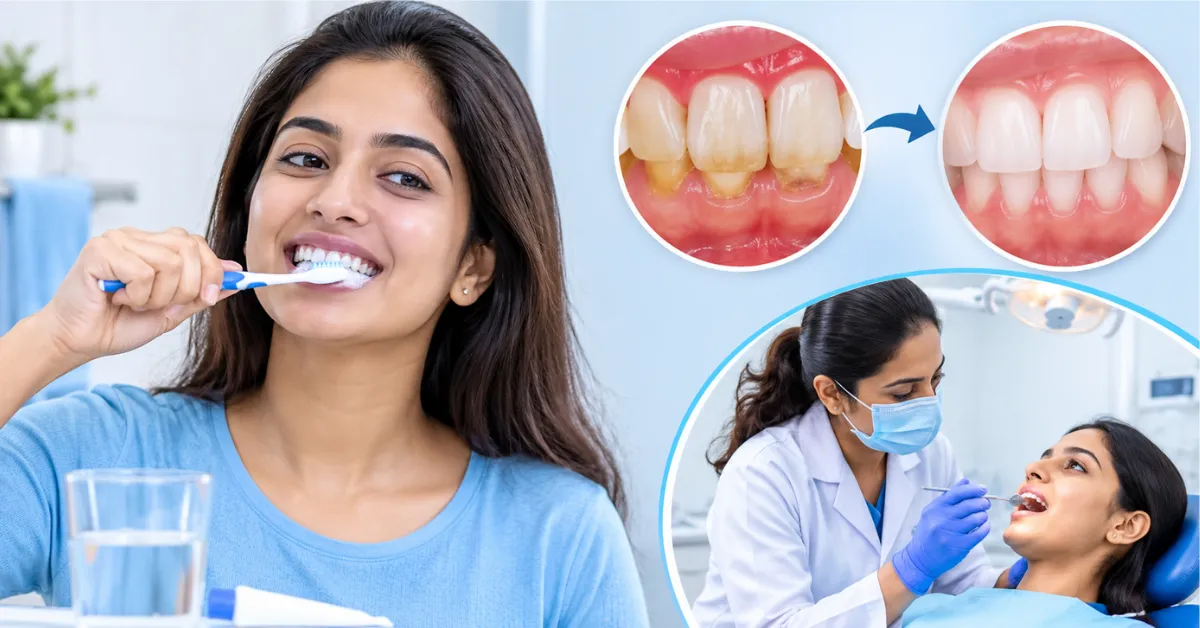
Good daily oral care habits can help reduce the risk of further enamel damage and staining.
- Brush twice daily with fluoride toothpaste.
- Clean between your teeth using dental floss.
- Limit frequent sugary snacks and acidic drinks.
- Rinse your mouth with water after consuming staining beverages.
- Avoid tobacco products.
- Visit a dentist regularly for oral examinations.
A dentist may examine the affected tooth and recommend X-rays or other assessments when necessary. If you notice an unusual change in tooth colour, consulting dentists near me can help you understand its possible cause and whether any treatment or monitoring is required.
FAQs
1. Are white spots on teeth a sign of cavities?
Not always. White spots may result from fluorosis, enamel development changes, or early demineralization. A dental examination can help identify the cause.
2. Can dark spots on teeth be caused by food and drinks?
Yes. Tea, coffee, and other strongly coloured foods and beverages can cause surface staining over time.
3. Do white spots on teeth go away naturally?
It depends on their cause. Some spots may remain permanently, while early enamel changes may improve with appropriate professional care.
4. Are black spots on teeth always cavities?
No. Black spots may be caused by staining, tartar, or tooth decay. A dentist can determine the actual reason through an examination.
5. Can brushing twice daily prevent white and dark spots?
Brushing twice daily with fluoride toothpaste helps maintain oral hygiene and reduce plaque buildup. However, it may not prevent every type of enamel discolouration or staining.