

What Is The Role Of Dental Sealants In Protecting Teeth From Cavities?
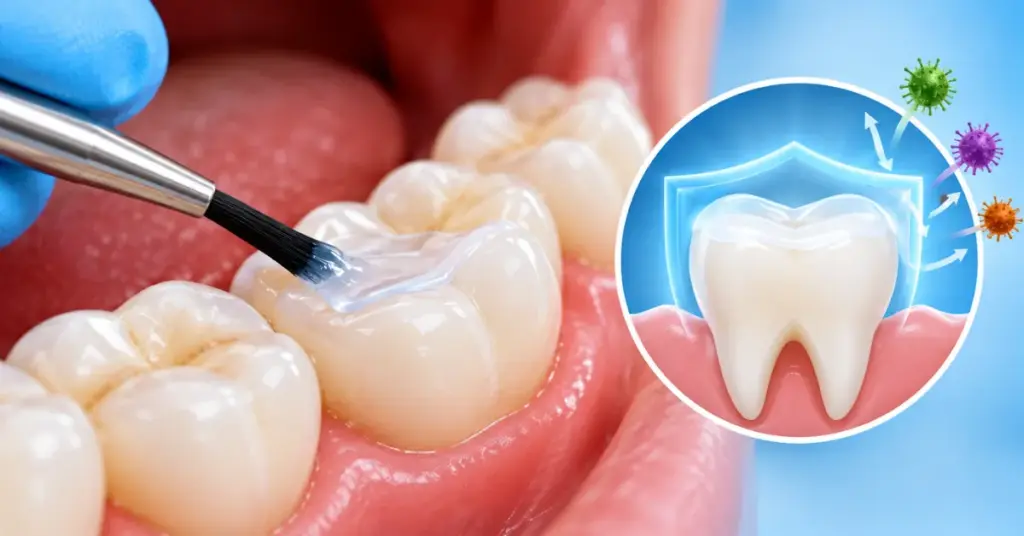
Dental cavities can develop when food particles and bacteria accumulate on tooth surfaces, especially in areas that are difficult to clean. The back teeth, known as molars, have small grooves and pits where plaque can easily collect. Dental sealants are a preventive dental option that helps protect these vulnerable areas. They are particularly useful for children and teenagers who are still developing their oral hygiene habits. What Are Dental Sealants? Dental sealants are thin protective coatings applied to the chewing surfaces of back teeth. They are usually made from a dental resin material that covers the tiny grooves and pits where food particles and bacteria may collect. These grooves can be difficult to clean thoroughly with a toothbrush. Sealants create a smoother surface, making it easier to maintain oral hygiene and reducing the chances of cavities developing in these areas. How Do Dental Sealants Help Prevent Cavities? The deep grooves of molars can trap food particles and plaque, increasing the risk of tooth decay. Dental sealants act as a protective barrier over these surfaces. They help by: However, sealants do not protect every surface of a tooth or prevent all types of cavities. Which Teeth May Benefit From Dental Sealants? Permanent molars are among the most common teeth to receive sealants because their chewing surfaces often contain deep grooves. Premolars may also benefit in certain cases. A dentist examines the tooth structure and checks for existing decay before recommending this preventive option. Who May Need Dental Sealants? Children and teenagers are commonly considered for dental sealants when their permanent molars appear. Early protection can help reduce the risk of cavities during the years when these teeth are more vulnerable. Adults with deep grooves and no existing decay or large fillings may also be suitable candidates, depending on their dental condition. How Are Dental Sealants Applied? The application process is generally simple and does not usually require drilling or injections. First, the dentist cleans and dries the tooth. A special solution may be applied to prepare the chewing surface. The sealant material is then placed into the grooves and hardened using a curing light. The dentist checks the coating and makes adjustments if necessary. How Long Do Dental Sealants Last? Dental sealants can last for several years, although their durability varies depending on chewing habits, tooth condition, and everyday wear. They may gradually become worn or chipped. Regular dental visits help identify any damage so the sealant can be repaired or reapplied when needed. Why Are Regular Dental Checkups Important? Dental checkups help identify early signs of tooth decay and assess the condition of existing sealants. Brushing twice daily with fluoride toothpaste, flossing regularly, and limiting frequent sugary snacks remain important parts of cavity prevention. If you are exploring preventive dental care and searching for a dental clinic close to me, consider discussing your oral health needs and the suitability of dental sealants with a qualified dentist during a routine dental examination. FAQs