

Can Braces Help Improve Problems Caused By Crooked Teeth?
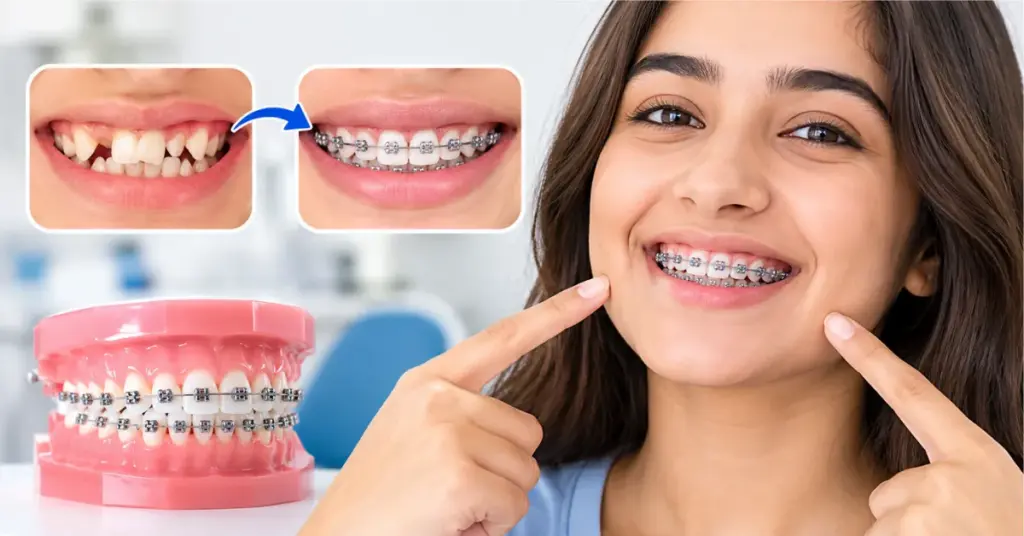
Crooked teeth are a common dental concern that can affect more than just the appearance of a smile. When teeth are not properly aligned, they may create difficulties with chewing, biting, speaking, and maintaining good oral hygiene. Fortunately, orthodontic treatment can help correct many alignment problems and improve overall dental function. What Causes Crooked Teeth? Crooked or misaligned teeth develop when there is insufficient space in the jaw, causing teeth to overlap or grow out of position. Common causes include genetics, childhood thumb-sucking, prolonged pacifier use, early loss of baby teeth, and differences in jaw development. In some cases, crowded teeth develop because the permanent teeth are larger than the available space in the jaw. Common Problems Caused By Crooked Teeth Misaligned teeth can lead to several dental concerns, including: How Can Braces Help Correct Crooked Teeth? Orthodontic treatment helps gradually move teeth into more appropriate positions. Braces apply controlled pressure to the teeth over time, allowing changes in their alignment and supporting bone structures. Depending on the individual’s dental condition, treatment may help: However, the results depend on the severity of misalignment, jaw development, and individual treatment needs. Different Types Of Braces Available Several orthodontic options are available, and the right choice depends on the patient’s dental condition and preferences. Common options include: Why Is An Orthodontic Evaluation Important? Before starting treatment, a dental professional evaluates tooth alignment, jaw position, bite, and overall oral health. Dental X-rays, photographs, and other assessments may be recommended to develop an appropriate treatment plan. During treatment, maintaining good oral hygiene is essential. Regular brushing, flossing, and dental check-ups help reduce plaque accumulation and protect teeth and gums. Choosing suitable braces for teeth depends on individual alignment problems, oral health, and treatment goals. Treatment duration varies from person to person, so an orthodontic assessment is important before making a decision. FAQs