

Why Do Teeth Become Sensitive to Hot and Cold Foods?
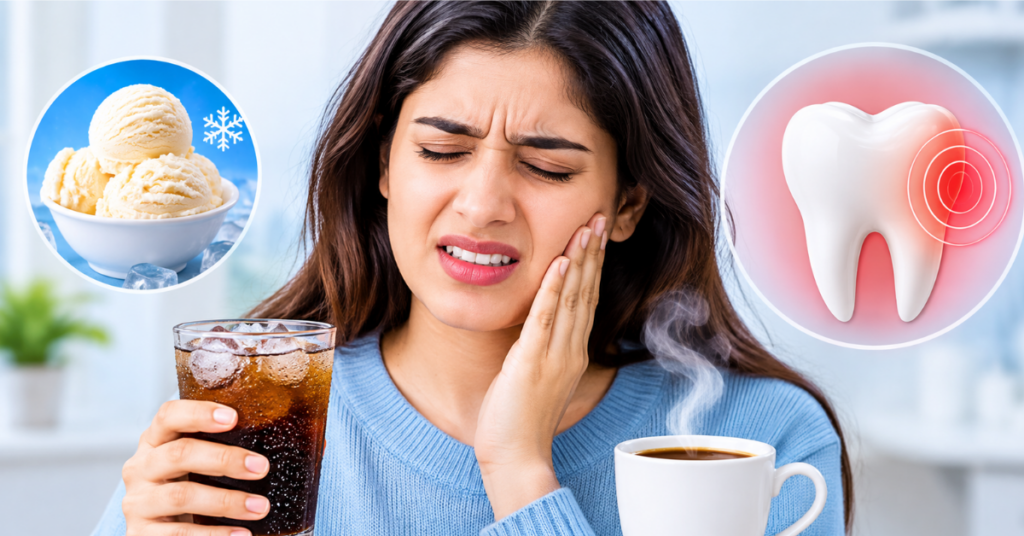
Tooth sensitivity is a common dental problem that can cause discomfort when eating or drinking something hot or cold. You may experience a sudden sharp pain while drinking cold water, eating ice cream, or enjoying a hot cup of tea. This discomfort can occur in one tooth or several teeth and may affect your daily eating habits. Understanding the reasons behind tooth sensitivity can help you identify the problem and seek appropriate dental care. 1. Enamel Erosion Tooth enamel is the hard outer layer that protects the inner parts of your teeth. Frequent consumption of acidic foods, carbonated drinks, and improper brushing habits can gradually weaken the enamel. When enamel becomes thin, the sensitive inner layer of the tooth becomes more exposed, causing discomfort with hot and cold foods. 2. Gum Recession Gum recession occurs when the gum tissue gradually pulls away from the teeth, exposing the roots. Unlike the crown, tooth roots do not have a protective enamel covering. This makes them more sensitive to temperature changes. Gum recession can happen due to gum disease, aggressive brushing, or ageing. 3. Tooth Decay and Cavities Dental cavities develop when bacteria produce acids that damage the tooth structure. As decay progresses, it may reach the inner layers of the tooth, causing sensitivity and pain. If you experience repeated discomfort while eating sweets or drinking cold beverages, a dental examination can help identify possible cavities. 4. Cracked or Damaged Teeth Small cracks in teeth may expose the sensitive inner layers to temperature changes. You might notice sharp pain while chewing or drinking something cold. Cracks can develop due to accidental injuries, teeth grinding, or biting hard foods. Early treatment can help prevent further damage. 5. Excessive Teeth Whitening Some teeth-whitening products contain ingredients that temporarily increase tooth sensitivity. Using whitening strips, gels, or treatments too frequently may cause discomfort when consuming hot or cold foods. It is better to consult a dentist before starting whitening treatments. 6. Worn-Out Dental Fillings Old, damaged, or loose dental fillings may expose sensitive areas of the tooth. This can allow temperature changes and bacteria to affect the underlying tooth structure. A dentist can examine the filling and recommend replacement or other treatment if necessary. How Can You Manage Tooth Sensitivity? You can reduce tooth sensitivity by following a few simple dental care practices: When Should You Visit a Dentist? Occasional sensitivity may improve with proper oral care, but persistent or severe pain should not be ignored. If you experience sensitivity in a particular tooth, swelling, pain while chewing, or discomfort that continues after consuming hot or cold foods, consult a dentist. Early diagnosis can help prevent complications and protect your natural teeth. Patients undergoing orthodontic treatment should also maintain regular dental checkups. If you are considering braces for mouth alignment, a dentist can evaluate your teeth, gums, and overall oral health to determine the appropriate treatment and help maintain healthy teeth throughout the orthodontic process.