

Can Wisdom Tooth Extraction Really Help?
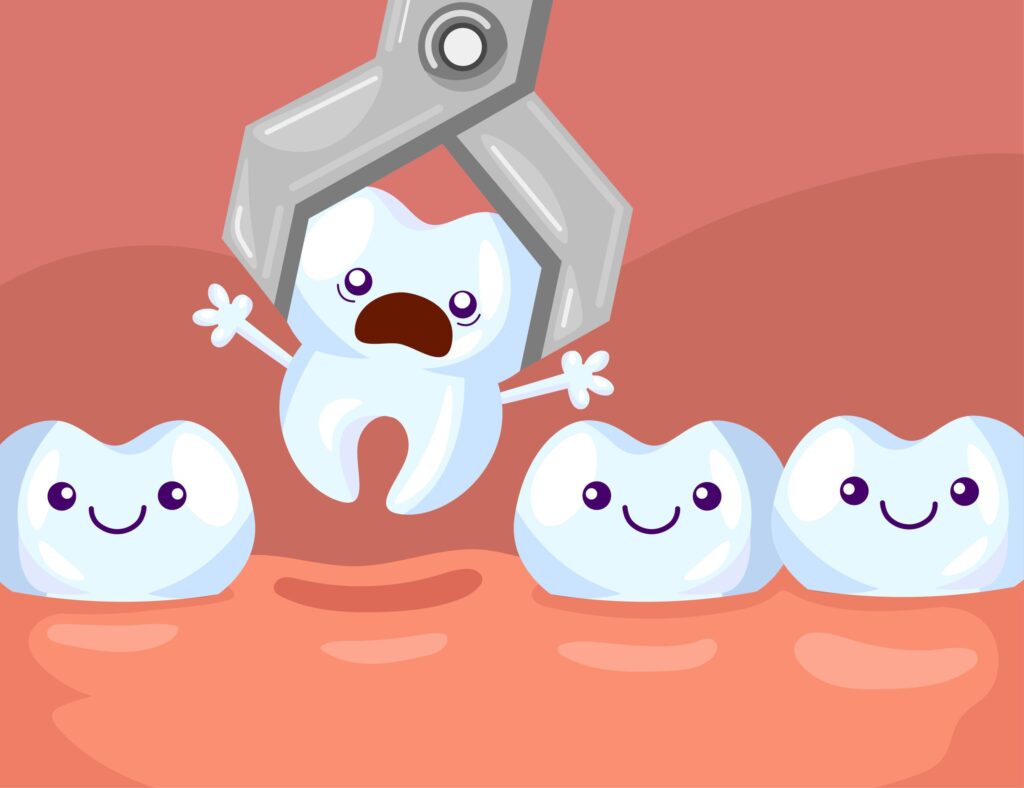
Wisdom tooth extraction is required when the final set of teeth that erupt in the back of the mouth are wisdom teeth, also referred to as third molars. Two are located on the upper jaw and two are located on the lower jaw in the majority of persons. Sadly, people frequently experience issues with these teeth, including pain, infection, and misalignment. In these situations, wisdom tooth extraction is a recommended course of therapy by dentists. We’ll talk about the advantages of wisdom teeth extraction and whether it can relieve pain for people who are experiencing it in this blog. The dentist removes one or more wisdom teeth during the wisdom tooth extraction procedure. Although it may seem difficult, millions of individuals have this common dental surgery each year. The dentist may occasionally advise general anesthetic to put the patient to sleep during the procedure. Here are Some of the Benefits of Wisdom Tooth Extraction: 1. Reduce Pain: When wisdom teeth erupt or grow, they can be very uncomfortable. When there is not enough room for them to erupt, they may push on neighboring teeth, causing discomfort and maybe infection. Removing wisdom teeth can relieve the pressure on nearby teeth, which causes less pain and suffering. 2. Avoid Infection: When wisdom teeth only partially erupt or are impacted, infections can also result. Swelling, discomfort, and even fever may result from this. Removing wisdom teeth reduces the risk of infection and discomfort for patients. 3. Enhance Oral Health: Wisdom teeth that are not positioned properly might crowd or move neighboring teeth, creating biting issues or jaw pain. By getting rid of these teeth, the neighboring teeth can keep their positions, which can ultimately improve your oral health. 4. Avoiding Future Dental Issues: Wisdom teeth that are not extracted can lead to issues in the future. These may result in dental problems such as decay, gum disease, and others. It is significant to remember that not everyone needs to have their wisdom teeth removed, even though this treatment might be advantageous. Some people have enough room in their mouths for their wisdom teeth, and these teeth come out without any issues in those cases. The easiest way to determine if wisdom teeth extraction is necessary is to schedule a consultation with an implantologists. Those who are suffering from discomfort, infection, or other issues related to their wisdom teeth may find that wisdom tooth extraction in Indore is a helpful solution. There are numerous dentists with experience in carrying out this surgery. To determine if treatment is necessary, it’s best to speak with a dentist.
How Dental Restoration can be Helpful?

Dental Restoration: The process of dental restoration includes replacing lost, rotting, or damaged teeth to enhance their function, aesthetics, and overall oral health. Dental restoration may involve several procedures, including dental implants, crowns, bridges, dentures, and fillings. These procedures are very helpful in restoring your teeth’s health and functionality and improving your smile. In this blog, we’ll talk about the benefits of dental restoration 1. Regains Functionality Damaged or missing teeth can have their function restored by dental restoration. Dental implants can restore your ability to chew and talk properly by replacing lost teeth. This can raise your quality of life overall and stop further oral issues. 2. Enhanced Appearance Your smile and teeth can look better after a dental restoration. Replace missing teeth with crowns, bridges, or dentures to enhance the overall shape and appearance of your smile. Your confidence and self-esteem can increase, and you’ll feel more at ease in social situations if you have a lovely grin. 3. Stops Further Damage Your teeth and gums may not sustain more harm if you receive the restoration process. Deterioration and damage to teeth can spread to other teeth and result in more serious issues if left addressed. Dental crowns, bridges, and fillings can shield the teeth from further deterioration and decay. Dentures and dental implants can stop bone loss and preserve the structure of your jaw. 4. Rehabilitates Oral Health Dental restoration can stop gum disease, tooth decay, and other issues with oral health by replacing lost or damaged teeth. Routine dental exams and cleanings can help you preserve the well-being of your teeth and gums. 5. Permanent Results Long-lasting benefits may be obtained by dental restoration. Dental implants, crowns, bridges, dentures, and fillings can all last a long time with the right upkeep and care. In the long term, this can save you time, money, and the need for more involved dental procedures. Dental Restoration Therapies are : Dental Fillings: Dentists use dental fillings to treat cavities and restore the function of damaged teeth. Made to match the color of natural teeth and are typically made of composite resin. Crowns: Crowns are used to restore teeth that have been significantly deteriorated or damaged. They are custom-made to fit over the existing tooth and give protection and support. Bridges: Dentists use bridges to replace missing teeth. Bridges can be made of porcelain or metal, and they attach to nearby teeth for support. Dentures: Dentures are dental appliances that can fill in multiple gaps in the teeth. They are detachable and can be either partial or full. The restoration process is an extremely helpful procedure for replacing missing, rotting, or damaged teeth. It can deliver long-lasting effects, improve aesthetics, repair existing damage, and restore oral health. Dental fillings, crowns, bridges, dentures, and dental implants are just a few of the many choices for dental restoration. If you require dental restoration, speak with an experienced dentist who can help you with dental restoration in Indore, to identify the best course of action.